Garage Door Balance Testing Explained: The Five-Minute Health Check
If there is one simple test that tells you more about your garage door's health than any other, it is the balance test. A properly balanced door feels almost weightless and stays wherever you leave it, while a poorly balanced one strains the opener, wears the hardware and warns of spring trouble ahead. The test takes only a few minutes, needs no tools, and reveals problems long before they become breakdowns. Learning to perform and interpret it gives you a genuine window into how the whole system is faring. Below you'll find how to test the balance safely, what the result tells you, and why balance underpins almost everything else about the door.What Balance Actually Means
A garage door is heavy, but the springs are tensioned to counterbalance that weight almost exactly. When the balance is right, the springs hold the door's weight so that the door is nearly neutral throughout its travel, neither wanting to fall closed nor spring open. This is what lets the opener lift it with so little effort. The balance test simply checks whether the springs are still doing that job correctly, by removing the opener from the equation and feeling the door directly.
How to Perform the Test
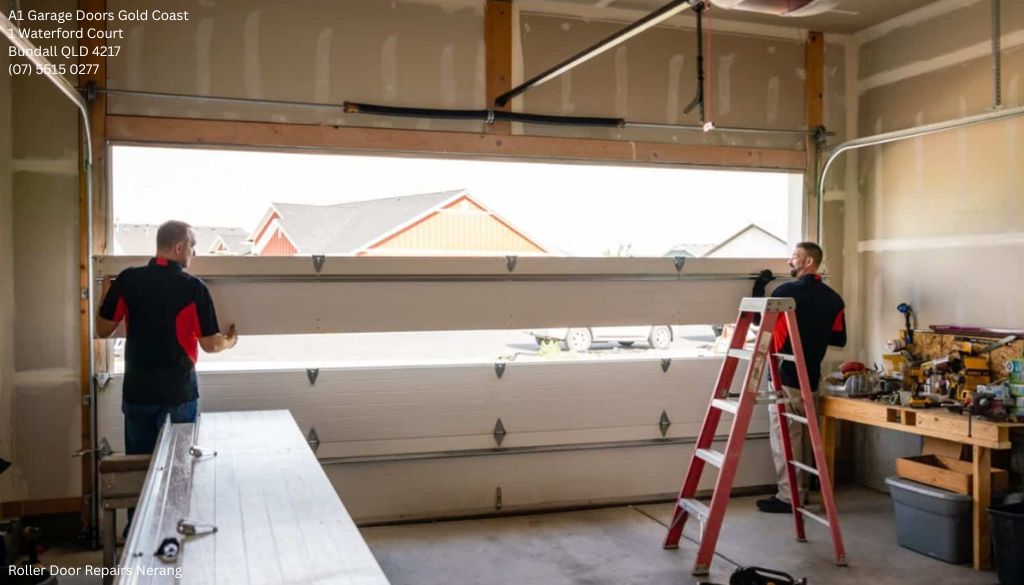
First, with the door closed, disengage the opener using the manual release cord so the door is free of the motor. Then, by hand, lift the door slowly to about halfway, roughly waist to chest height, and gently let go.
- A balanced door stays put: It hovers more or less where you left it, perhaps drifting only slightly. This is the result you want.
- A door that falls closed: If it sinks or drops, the springs have lost tension or are undersized for the door, so the door is heavier than the springs can hold.
- A door that rises or flies up: If it climbs on its own, the springs are over-tensioned, pulling harder than the door's weight.
Lift smoothly and keep your body clear; if the door is very heavy or wants to move sharply, lower it carefully and stop the test.
What the Result Tells You
The balance test is really a test of the spring system. A door that no longer holds its position is telling you the springs have drifted out of correct tension or are nearing the end of their life. This matters because an unbalanced door does not just feel wrong, it actively causes wear: the opener has to make up the difference, working harder and ageing faster, and the rollers, cables and tracks carry uneven loads. A door that falls closed is also a safety concern, since it can come down faster than expected.
Why Balance Underpins Everything
Almost every other part of the door performs best when the balance is right. The opener works lightly and lasts longer. The auto-reverse force sensing behaves predictably, because the opener is reading a neutral door rather than fighting a heavy one. The rollers and tracks wear evenly. Even the safety reversal depends on balance, since a hard-to-move door confuses the force system. This is why technicians treat balance as the foundation and check it before adjusting settings or chasing other symptoms.
Common Homeowner Mistakes
- Never testing the balance: Most people only discover an imbalance when the opener starts straining or the springs fail.
- Testing without disengaging the opener: The opener masks the true balance, so the door must be released first.
- Adjusting spring tension themselves: Correcting balance means working with tensioned springs, which is hazardous without the right tools.
- Ignoring a failed test: An out-of-balance door quietly wears the opener and signals spring trouble that will only worsen.
How Technicians Restore Balance
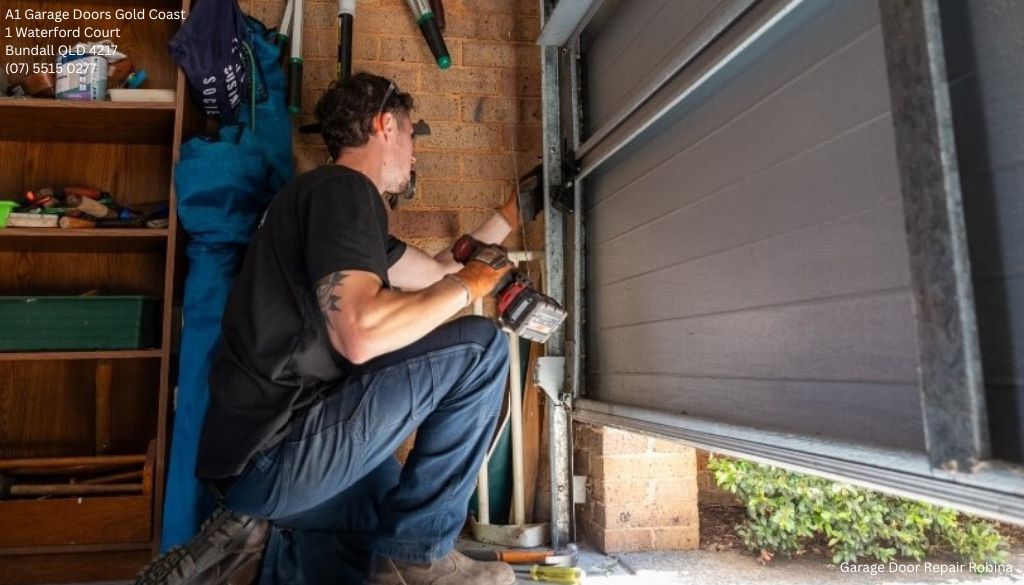
If the test shows the door is out of balance, a technician assesses the springs against the door's actual weight, checks for wear and corrosion, and adjusts or replaces the springs so the door is correctly counterbalanced. They then re-test the balance by hand, confirm the door holds its position, garage door sources and recheck the opener's force and limits, since those depend on a balanced door. Correcting balance often resolves a string of other complaints at once.
Safety Considerations
The balance test itself is safe when done gently, but correcting an imbalance is not a DIY task, because it involves adjusting springs under high tension. If your door fails the test, the right next step is to have the springs assessed, not to attempt to wind them yourself. Keep clear of the door if it wants to fall or rise sharply during the test.
When to Call a Professional
If your door fails the balance test, falling closed or rising on its own, a technician can adjust or replace the springs to restore correct balance and protect the opener and hardware. It is also worth a professional balance check periodically, and after any spring or cable work, to confirm the door is set right.
Frequently Asked Questions
How do I test my garage door's balance?
Disengage the opener with the manual release, lift the door by hand to about halfway, and let go. A balanced door stays roughly in place.
What does it mean if the door falls when I let go?
The springs have lost tension or are too light for the door, so it is heavier than they can hold. This strains the opener and warns of spring wear.
Can I fix the balance myself?
It is not advisable. Correcting balance means adjusting springs under high tension, which requires the right tools and experience.
How often should I check the balance?
Periodically through the year, and always after work affordable garage door installation Gold Coast on the springs, cables or door, since balance can drift over time.
About A1 Garage Doors Gold Coast
A1 Garage Doors Gold Coast services homes and businesses across the Gold Coast and surrounding suburbs for repairs, replacements and installations. Contact details are below.
A1 Garage Doors Gold Coast
1 Waterford Court, Bundall, QLD 4217 Phone: (07) 5515 0277 Website: https://goldcoastgaragedoorrepair.com.au