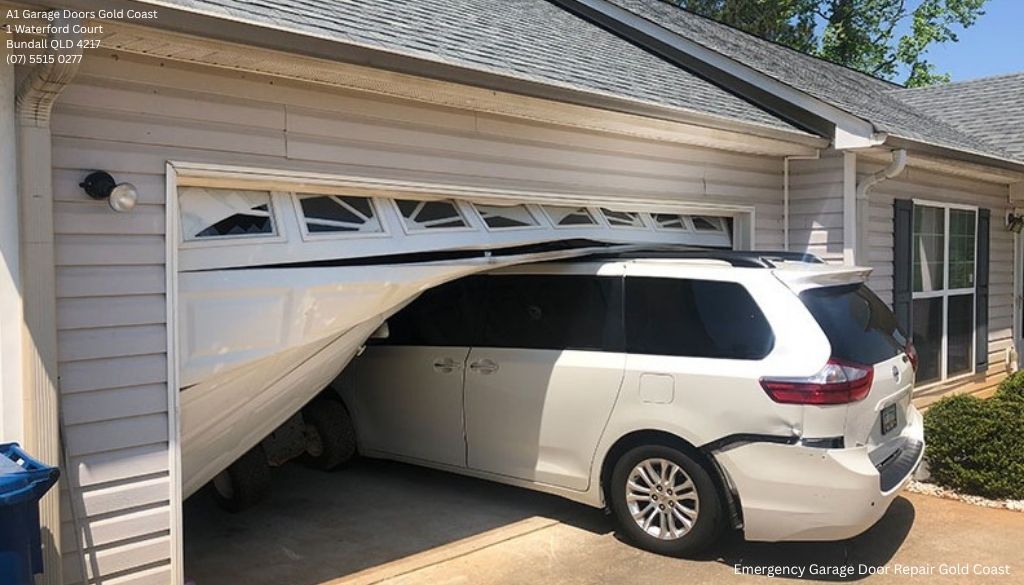
Garage Door Replacement Guide for Safer Daily Use
A garage door is one of the few moving systems in a home that people operate while standing close to it, walking under it, backing a car beneath it, or sending children through the same space on the way to bicycles and outdoor storage. That is why garage door replacement should never be treated as a cosmetic project only. A quieter panel, a fresh exterior finish, or a more convenient garage door opener may be welcome, but the larger goal is safer daily use.
The most important safety point is simple: an automatic residential garage door opener must protect against entrapment. In the United States, automatic residential garage door openers are covered by a mandatory federal safety standard, and they must include entrapment protection such as a photoelectric “electric eye” sensor or an equivalent safety system. A properly functioning opener should reverse when the door is closing onto an obstruction. If it does not, the situation deserves immediate attention.
That safety principle should guide every decision, from garage door inspection to garage door installation, from garage door troubleshooting to the final test after replacement. A new door that looks good but does not reverse properly is not a successful project. A repair that quiets the noise but leaves the safety sensors misaligned is not finished. Good workmanship shows up in everyday habits: the door closes smoothly, the opener responds predictably, the safety reversal system works, and no one in the home treats the moving door casually.
Why replacement is often a safety decision, not just a repair decision
Many homeowners wait until a garage door stops working before they think seriously about replacement. That is understandable. A door that still opens and closes can feel “good enough,” even if it shakes, drags, hesitates, or needs a second press of the remote to behave. In practice, those symptoms can create a false sense of security. A system can be operational and still be unsafe.
Garage door repair can solve many problems, especially when the issue is isolated. A trained technician may be able to correct a sensor problem, adjust the opener according to the owner’s manual, address worn garage door rollers, or improve movement along the garage door tracks. Garage door maintenance can also prevent small faults from becoming disruptive. Regular inspection, careful cleaning around the tracks, and appropriate garage door lubrication can reduce strain on moving parts.
Replacement enters the conversation when the door system no longer supports safe, reliable operation as a whole. The question is not simply whether one part failed. The better question is whether the door, opener, safety devices, hardware, and installation conditions still work together in a way that protects the people using the garage every day.
A door that frequently needs garage door troubleshooting may be telling you that the system is near the end of practical service. A door that no longer moves smoothly may put extra demand on the opener. A door with unreliable garage door sensors may create uncertainty at the exact moment when certainty matters. A door that does not reverse when it should is a direct safety concern, and it should be adjusted as directed by the owner’s manual or inspected by a professional.
The safety reversal system deserves your full attention
The most important safety behavior of an automatic garage door is reversal. When the door is closing and meets an obstruction, a properly functioning opener should reverse. The photoelectric sensor system, often called the electric eye, is part of the entrapment protection that has become central to residential garage door safety.
These sensors are usually installed near the lower area of the door opening, facing each other across the path of the door. Their purpose is to detect an obstruction in the doorway. If the beam is interrupted while the door is closing, the opener should stop or reverse the closing motion. The exact response depends on the system, but the safety purpose is the same: the door should not continue closing on a person, pet, object, or child in its path.
Federal safety rules exist because garage doors can injure or entrap people when the system fails or lacks proper protection. Safety authorities have warned repeatedly about non-reversing garage door openers because they are hazardous. Fatal entrapment incidents have been documented. That is not a scare tactic. It is the practical reason professionals take garage door sensors, opener adjustment, and reversal testing seriously.
A monthly test of the safety reversal system is a reasonable habit for any household with an automatic opener. If the door fails to reverse, do not ignore it because the door “usually works.” The safe response is to follow the owner’s manual for adjustment or call a qualified professional for inspection. If the opener is old, unreliable, or cannot be made to meet safe operating expectations, garage door replacement or opener replacement may be the better path.
When a new door should be considered
There is no single visible symptom that automatically means a full garage door replacement is required. The decision depends on how the complete system behaves. A noisy door may only need garage door lubrication or new rollers. A door that stops before closing may have a sensor alignment issue. A door that feels heavy by hand may raise concerns about garage door balance, springs, or hardware. Some issues are repairable, but repeated failures and unsafe operation change the calculation.
The more often a homeowner says, “It has been doing that for a while,” the more carefully the system should be inspected. A garage door that has developed several problems at once may no longer justify piecemeal work. For example, worn garage door rollers combined with damaged tracks and an unreliable opener can lead to a cycle of service calls. One repair may help for a short time, but the door still does not feel trustworthy.
The balance of the door matters because the opener is not meant to compensate for a poorly functioning door. The door system includes garage door springs, and many residential systems use torsion springs. These parts are under significant tension and should not be treated as a casual do-it-yourself task. If the door is difficult to lift manually, drops unexpectedly, or will not stay where it should, a professional garage door inspection is the correct next step. The issue may involve springs, cables, balance, or another part of the lifting system.
Garage door cables also deserve respect. They are part of the system that helps manage the door’s movement. When cables show distress or the door appears uneven, replacement decisions should be made carefully. The same is true for garage door tracks. Tracks guide the door, and if the door does not travel smoothly within them, the opener can struggle and safety features may not be enough to overcome a mechanically poor setup.
A practical homeowner safety check before calling anyone
Homeowners do not need to diagnose every technical issue. In fact, they should not attempt risky work on springs, cables, or heavy components. Still, a simple visual and operational check can help you decide whether to stop using the door and schedule professional help. This is not a repair procedure. It is a safety screen.
This short check will not replace a professional garage door inspection, but it can identify urgent warning signs. If something feels wrong, it usually deserves attention before the next busy morning when someone presses the remote and walks away.
The opener is part of the replacement decision
Many homeowners think of garage door replacement as replacing the panels and visible door sections. The garage door opener may be left out of the conversation until late in the process. That can be a mistake. The opener is central to daily safety because it controls the closing force and interacts with the entrapment protection system.
Automatic residential garage door openers must include entrapment protection, such as photoelectric sensors or an equivalent safety system. That requirement should shape how a replacement project is planned. If an existing opener lacks proper safety features, does not reverse reliably, or cannot be adjusted to operate safely, replacing the door alone may not solve the real problem.
The opener should also be evaluated in relation to the door’s movement. A smooth, balanced door places less strain on the operator. A poorly balanced door may cause the opener to work harder, and that can mask or aggravate mechanical problems. If the opener reverses unexpectedly, refuses to close, or behaves inconsistently, the cause may be sensor alignment, obstruction, adjustment, mechanical drag, or a combination of factors. Garage door troubleshooting works best when the technician looks at the whole system rather than treating the opener as separate from the door.
Remote controls and wall controls are also part of safety. Children should be taught garage door safety, and remote controls should be kept out of their reach. This advice sounds basic until you have seen a child treat the remote as a toy from the back seat of a car or press the wall button while someone else is near the threshold. A garage door is not a toy, and safe equipment still depends on safe habits.
What professionals look for during inspection
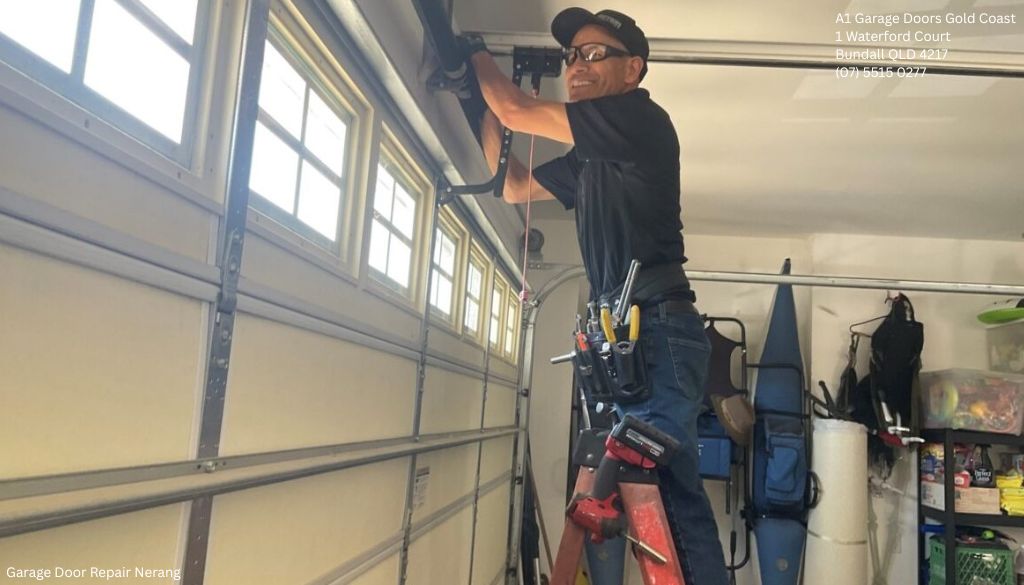
A professional garage door inspection is more than a glance at the door. A good technician watches the door travel, listens to the opener, checks whether the sensors are present and working, and evaluates whether the door appears balanced and mechanically sound. They also look at the installation environment. Garage door installation and repair often require work near ceiling height, in cramped spaces, and around tools, hardware, and awkward body positions. That is one reason careful staging matters. Rushing through overhead work increases the chance of mistakes.
Springs, cables, rollers, tracks, hinges, brackets, and opener components all affect how the door behaves. If a door shudders in the tracks, a technician may look at roller condition and track alignment. If it closes partway and reverses, the technician may check the sensors, the path of travel, and opener adjustment. If the door feels unusually heavy when disconnected from the opener, the balance and spring system deserve attention.
Garage door springs require particular caution. Torsion springs store mechanical energy, and improper handling can cause injury. That is why spring replacement and balance corrections belong with trained professionals. The same practical caution applies to garage door cables. A homeowner can observe that something is wrong, but observation is not the same as safe repair.
A replacement recommendation should be explained clearly. “You need a new door” is not enough. The reasoning should connect to safety, reliability, condition, and compatibility with the opener and safety devices. Sometimes the right answer is garage door repair. Sometimes it is opener adjustment. Sometimes the safest and most cost-effective path is full garage door replacement with proper installation and testing.
Repair, maintenance, or replacement
The choice between garage door repair, garage door maintenance, and garage door replacement should be based on risk and reliability. Maintenance is preventive. Repair corrects a specific fault. Replacement addresses a system that is no longer dependable or appropriate for safe daily use.
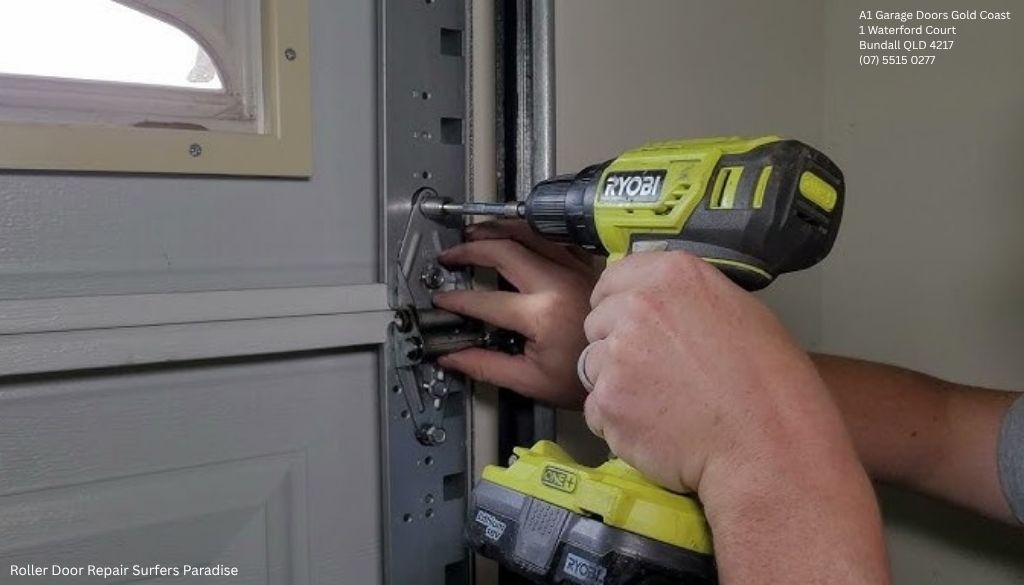
Garage door maintenance may include inspection, cleaning accessible areas, checking sensor operation, and using suitable garage door lubrication where appropriate. It should not include improvising with springs or forcing bent hardware back into position. Maintenance is valuable because many unsafe situations begin as small changes: a sensor gets bumped, a roller wears, a track area collects debris, or the door begins to move less smoothly than before.
Garage door repair makes sense when the door system remains fundamentally sound and the issue is limited. If the sensors are misaligned and can be corrected, repair may be enough. If rollers are worn but the door, tracks, opener, and safety systems are otherwise in good condition, targeted service may restore smooth use. If opener settings need adjustment and the owner’s manual provides the appropriate procedure, that may solve a reversal problem. When in doubt, a professional should inspect the system.
Replacement becomes more compelling when the door has multiple defects, when safety systems are missing or unreliable, when the opener cannot provide proper reversal behavior, or when repeated repairs do not restore confidence. The goal is not to replace equipment prematurely. The goal is to avoid normalizing a hazardous system simply because it still moves.
Installation quality affects everyday safety
Garage door installation is a physical job with real risk. Work often happens above shoulder height or near the ceiling. Installers may be working in cramped garage spaces, around vehicles, storage, ladders, tools, electrical equipment, and heavy components. Safe installation requires planning, clear access, and attention to posture and handling. The best projects look calm because the crew has staged the work properly.
For homeowners, preparation matters. A cluttered garage makes inspection and installation harder. Boxes stacked near tracks, bicycles hanging close to the opener, and stored items leaning into the door path all complicate safe work. Before a replacement appointment, the area around the door opening and opener should be accessible. That allows the technician to work without awkward reaching or unnecessary hazards.
After installation, testing matters as much as assembly. The door should move smoothly. The opener should reverse properly when required. The garage door sensors should be installed and working. The homeowner should understand how to operate the door, how to test the reversal system, and when to call for service. A professional installation is not complete until the safety functions have been checked and the owner knows the basic expectations.
It is also worth paying attention to how the door feels during manual operation when the opener is disengaged, if the owner’s manual describes that process. A properly functioning system should not depend on the opener to overcome obvious mechanical problems. If the door feels wrong immediately after installation, say so before the crew leaves. Small installation corrections are easier to address while the system is already being evaluated.
Sensors are small parts with large consequences
Garage door sensors do not look impressive, but they carry a major safety responsibility. Because the federal standard requires a sensor or equivalent entrapment protection on residential automatic openers, the presence and function of these devices should never be treated as optional.
A common field problem is sensor disruption. A sensor may be bumped by a trash can, a bicycle tire, a storage bin, or a foot. Once the sensors no longer face each other correctly, the opener may refuse to close or may reverse. Some homeowners respond by holding down a wall button or finding ways to bypass the inconvenience. That is the wrong instinct. A safety device that interrupts closing is doing something important, even if the cause turns out to be simple.
The better response is garage door troubleshooting with safety in mind. Check whether the path between the sensors is clear. garage door repairs in Gold Coast Look for obvious misalignment without forcing the brackets. Follow the owner’s manual. If the system still does not behave correctly, call a professional. The cost of service is minor compared with the risk of teaching everyone in the home to override a safety feature.
Replacement projects should include careful sensor placement and testing. Sensors should not be left loose, aimed poorly, or vulnerable to ordinary garage traffic if that can be avoided. A neatly installed sensor system reduces nuisance problems and supports reliable daily use.
The monthly test habit
Monthly testing is one of the most practical garage door safety habits a homeowner can adopt. It does not require technical training. It requires consistency. The safety reversal system should be tested regularly, and if the door fails to reverse, it should be adjusted according to the owner’s manual or inspected by a professional.
The important part is not only the test itself, but the household rule that follows: if the door does not pass, stop treating it as normal. Too many unsafe systems remain in use because the failure is intermittent. Someone says the door “only acts up sometimes,” then keeps using it for weeks. Intermittent safety failure is still failure.
A monthly rhythm also helps people notice changes. The door that once moved smoothly but now chatters near the floor deserves attention. The opener that once reversed cleanly but now presses too hard before reacting should not be ignored. The sensor that frequently needs repositioning may need better mounting or inspection. Garage door maintenance works best when it catches changes early.
Teaching garage door safety at home
Equipment can reduce risk, but people still determine how the system is used. Children should be taught that a garage door is heavy moving equipment, not a play surface, climbing object, or game. They should not run under a moving door, race the door as it closes, hang from handles, touch controls without permission, or stand near the opening while someone is operating the opener.
Remote controls should be kept out of children’s reach. That includes visor remotes, keychain transmitters, and loose controls left on shelves or in cup holders. Children are curious, and a button that makes a large door move is naturally interesting. The safest habit is to remove the temptation.
Adults also need discipline. Do not press the remote and drive away without checking that the door closed safely. Do not walk under a moving door because you are in a hurry. Do not ignore repeated reversal problems by blaming “sensitive sensors.” Safety systems can be inconvenient when they need adjustment, but inconvenience is not a reason to defeat them.
A replacement planning conversation worth having
Before approving garage door replacement, ask direct questions about safety and operation. A professional should be comfortable answering them in plain language. The conversation does not need to be adversarial. It should be practical.
These questions keep the project focused on safe daily use. They also help distinguish a careful installer from someone who only wants to complete the visible portion of the job.
What not to do when the door acts up
When a garage door fails to close, reverses unexpectedly, or strains during travel, the wrong response can make the situation more dangerous. Forcing the door, bypassing sensors, or repeatedly cycling the opener may create additional stress on the system. It may also train the household to accept unsafe operation.
Do not attempt to repair torsion springs or garage door cables without proper training. Do not loosen brackets or hardware connected to spring tension. Do not bend tracks aggressively to “make room” for the door. Do not assume garage door lubrication will solve every noise. Lubrication may help appropriate moving points, but grinding, binding, or uneven travel may signal a mechanical issue that needs inspection.
If the opener does not reverse when it should, treat that as a serious problem. Follow the owner’s manual for adjustment if it provides the proper steps, or call a professional. If children use the garage area, restrict access until the issue is corrected. The door opening is not a safe play zone while the system is unreliable.
The value of a quiet, predictable door
Safety often feels dramatic, but in daily life it looks ordinary. A safe garage door opens when commanded, closes without drama, reverses when it should, and does not require family members to invent workarounds. It does not shake the tracks every morning. It does not make the opener sound strained. It does not leave people wondering whether the sensors will cooperate today.
That predictability is one of the strongest arguments for replacement when a system has become unreliable. A new installation, done correctly and tested carefully, can reset expectations. The homeowner should no longer need to explain special tricks to guests, neighbors, teenagers, or house sitters. No one should have to know that the door closes only if the remote is pressed twice or that the sensor bracket needs a tap with a shoe.
Good garage door replacement is not only about new parts. It is about removing uncertainty from a heavy moving system that your household uses often.
Making the final decision
A safer garage door replacement decision starts with honest observation. If the door operates smoothly, reverses properly, has working sensors, and passes regular inspection, maintenance may be enough. If there is a clear, isolated issue, garage door repair may be the sensible choice. If the system has recurring faults, unreliable safety behavior, damaged movement components, or an opener that cannot be trusted to reverse correctly, replacement deserves serious consideration.
The safest approach is to evaluate the full system: the door, opener, springs, cables, rollers, tracks, sensors, balance, and installation conditions. None of these parts operates in isolation. The opener depends on the door moving properly. The sensors depend on correct placement and function. The reversal system depends on proper adjustment and testing. The household depends on all of it working together.
A garage door is easy to take for granted because it becomes part of the routine. Press the button, wait a moment, move on. Replacement is the right time to slow that routine down and make sure the system earns that trust. When the door closes smoothly, reverses properly, and every user in the home understands basic garage door safety, the project has achieved its real purpose: safer daily use.