Garage Door Safety Basics for Automatic Residential Openers
A residential garage door opener is easy to take for granted until it behaves badly. Most days, it does one simple job: it lifts a heavy door, holds it overhead, and brings it back down when asked. That routine can make the system feel harmless, almost like a light switch. It is not. An automatic garage door is a moving barrier connected to a powered operator, mounted overhead, working in a space where children, pets, vehicles, bicycles, storage bins, and people often cross paths.
That is why garage door safety starts with a plain idea: the opener must not be treated as the only thing keeping the door safe. The door, the opener, the sensors, the springs, the tracks, the rollers, and the cables all work as one system. When one part falls out of adjustment or stops doing its job, the rest of the system can become unpredictable.
In the United States, automatic residential garage door openers are covered by a mandatory federal safety standard. They must include entrapment protection, such as a photoelectric “electric eye” sensor or an equivalent safety system. That requirement exists because a closing garage door can trap a person or object if the safety system fails, is bypassed, or is missing. Non-reversing openers have long been recognized as a serious hazard. A properly functioning opener should reverse when the door is closing and encounters an obstruction.
The basics are not complicated, but they do require consistency. Monthly safety reversal testing, clear rules for children, working garage door sensors, and prompt attention to unusual movement are not optional niceties. They are the habits that keep an automatic residential opener from becoming a risk in the background of everyday life.
The opener is only one part of the safety system
A common mistake in garage door troubleshooting is to focus only on the motor unit. Homeowners hear the opener hum, see the light blink, or notice the remote no longer works, then assume the problem lives inside the opener. Sometimes it does. But an opener is not designed to overpower a defective door. It is supposed to move a door that is properly installed, properly balanced, and able to travel smoothly.
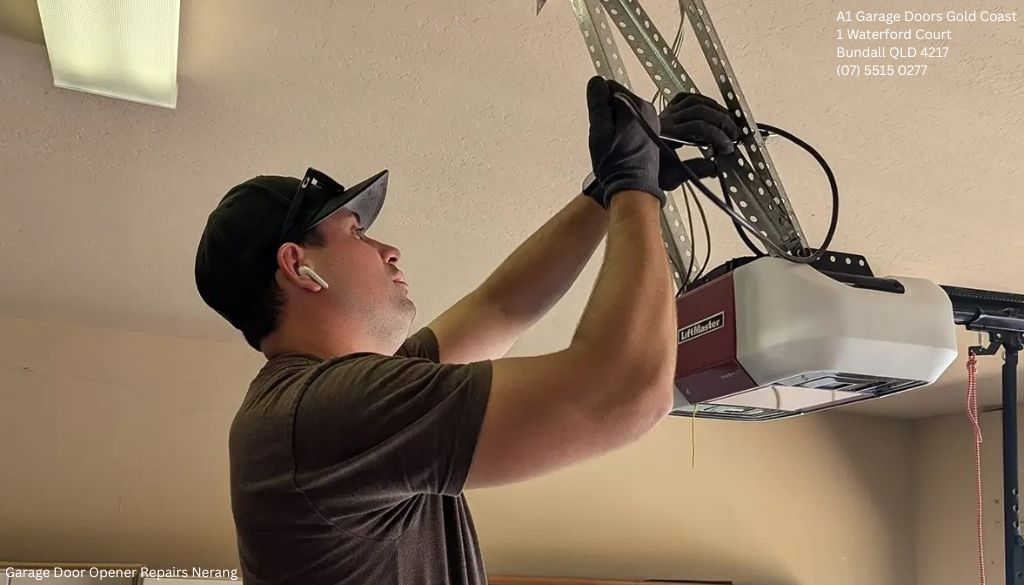
That distinction matters. A garage door opener pulls or pushes through a rail and arm, but the actual door depends on garage door springs, rollers, cables, tracks, hinges, and hardware. On many residential doors, torsion springs provide the lifting assistance that makes the door manageable. The opener is not meant to lift the full dead weight of the door by brute force. If the door is out of balance or dragging in the tracks, the opener can mask the problem for a while, then the symptoms show up as jerky movement, reversal trouble, noisy operation, or failure to open.
Professional garage door repair often begins with separating door problems from opener problems. That is not just a diagnostic preference. It is a safety practice. If a door does not move correctly by itself, adding power through the opener does not make it safer. It may make the defect harder to notice until the system is under stress.
Good garage door maintenance therefore looks beyond the wall button and remote control. It asks whether the door travels cleanly, whether the sensors are in place and functioning, whether the opener reverses as expected, and whether anything about the system has changed. A new rubbing sound, a door that hesitates near the floor, or an opener that suddenly needs repeated button presses is worth taking seriously.
Why reversal protection deserves monthly attention
The safety reversal system is one of the most important features on an automatic residential opener. Federal safety requirements call for entrapment protection, commonly seen as photoelectric sensors near the bottom of the door opening. These sensors create an invisible beam across the path of the closing door. If something interrupts that beam while the door is closing, the opener should stop and reverse.
There is also the broader requirement that a properly functioning opener reverse when closing onto an obstruction. The purpose is simple: the door should not continue pressing downward when it meets resistance. This is especially important because real garages are rarely clear, controlled spaces. A child may run through after a parent presses the button. A bicycle wheel may sit partly in the opening. A storage tote may be left where the door lands. A pet may move slowly under the door just as it begins to close.
Monthly testing is recommended because safety systems can fail quietly. Sensors may be bumped out of alignment. Wiring may loosen. Dirt, impact, or vibration may affect performance. The opener may still run, the door may still move, and the remote may still seem fine, but the reversal protection may not work the way it should.
I have seen homeowners discover sensor problems only after a door refuses to close at night, when they are tired and trying to secure the house. The temptation then is to hold the wall button, override the symptom, or move the sensors “just for now.” That is a bad trade. A safety device that seems inconvenient is still a safety device. If the door will not close because the sensors are not reading correctly, the answer is garage door inspection and correction, not bypassing protection.
A monthly check does not need to become a complicated service appointment every time. It does need to be deliberate. The test should confirm that the photoelectric sensors are installed, aligned enough to work, and able to stop or reverse a closing door when the beam is interrupted. It should also confirm that the opener reverses when the closing door meets an obstruction. If the door fails to reverse, the opener should be adjusted according to the owner’s manual or inspected by a professional.
A simple monthly safety check
A short routine is easier to maintain than a garage door sources long one. The point is not to rebuild the system every month. The point is to catch safety failures before they become normal. Choose a time you will remember, such as the first weekend of the month, and do the check without distractions.
That final step is the one people most often skip. A failed reversal test is not a minor nuisance. It means the system did not perform one of its core safety functions. Continuing to use the opener while planning to “get to it later” turns a known defect into a household risk.
Children and garage doors need firm boundaries
Garage doors attract children for the same reasons adults barely notice them. They are large, noisy, and dramatic. A button gets pressed, a machine starts, and a wall-sized panel moves. That can look like a toy to a child, especially when remote controls are left in cup holders, drawers, backpacks, or on low shelves.
Children should be taught garage door safety in direct language. The door is not a ride. The remote is not a toy. The sensors are not something to step over for fun. Hands stay away from moving door sections, tracks, rollers, cables, and springs. Nobody runs under a moving door.
Remote controls should be kept out of children’s reach. That includes handheld transmitters, keypad codes, and wall controls when practical. The real issue is not whether a child intends harm. It is that children often press buttons without understanding timing, visibility, or consequences. A door that begins closing while another child is in the opening can create a dangerous situation quickly.
There is also an adult habit that deserves correction: pressing the remote while driving away without watching the door close. Many people do this because they are late, the weather is bad, or they assume the opener will handle everything. Better practice is to confirm the opening is clear and the door has closed safely. Automatic reversal systems are important, but they should not become an excuse for careless operation.
Do not ignore a door that behaves differently
A garage door system usually gives warnings before it fails outright. The challenge is that many warnings sound ordinary. A little more noise. A slight delay. A door that closes most of the way, then reverses. An opener light that flashes. A rail that seems to strain. These symptoms are easy to dismiss until the door stops working at the worst possible time.
Garage door troubleshooting should start with observation, not force. If the door reverses unexpectedly, look for obvious obstructions in the path and at the sensor area. If the door will not close, check whether the sensor path is blocked or whether the sensors appear disturbed. If the opener runs but the door movement looks wrong, stop and consider whether the door itself may have a problem.
This is where judgment matters. Clearing a box from the doorway is homeowner-level work. Cleaning visible dust from a sensor lens may be reasonable. Reading the owner’s manual for opener adjustment may be appropriate. But working on garage door springs, torsion springs, garage door cables, or major track issues is different. Those components are part of a heavy, tensioned moving system. If they are involved, the safer path is professional garage door repair.
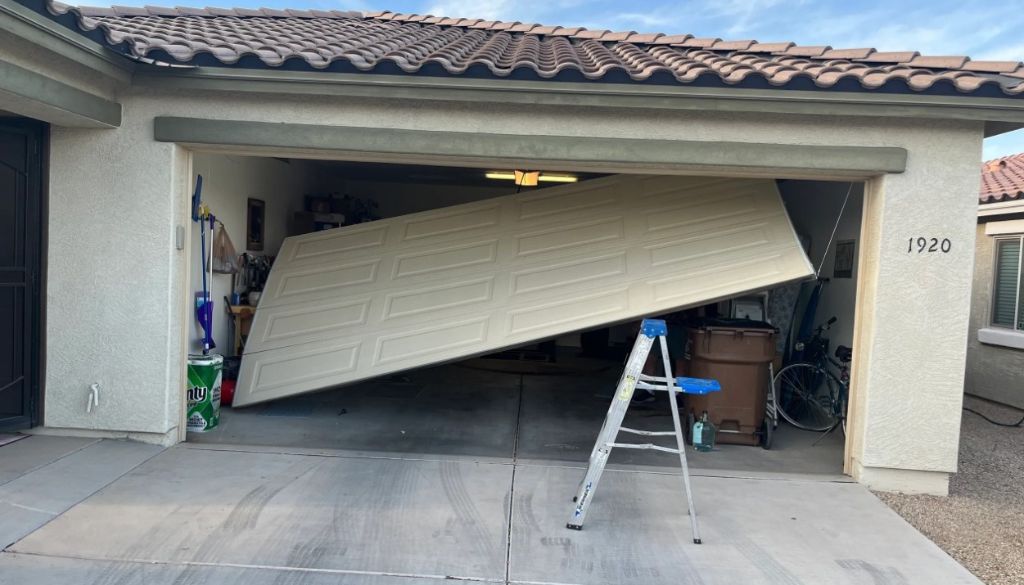
The same applies when the door is visibly crooked, jammed in the tracks, hanging unevenly, or making harsh mechanical noises. A powered opener can worsen a mechanical fault. Repeatedly pressing the button may bend hardware, increase strain, or cause the door to move unpredictably. When the system tells you something is wrong, believe it.
Sensors are not optional accessories
Photoelectric sensors sometimes get treated like add-ons because they are small and mounted low, where they are easy to bump with a broom, trash can, or bicycle tire. In reality, they are central to garage door safety. For residential automatic openers, the federal safety standard requires a sensor or equivalent entrapment protection. The common electric eye setup exists for a reason.
A typical sensor problem is not dramatic. The door starts down, then reverses. The opener may signal an issue. The homeowner sees nothing in the doorway and gets frustrated. After a few attempts, someone may decide the sensors are “too sensitive.” That phrase has led to plenty of unsafe choices.
Sensitivity is not the point. The sensors must reliably detect whether the path is clear. If they are misaligned, loose, dirty, damaged, or obstructed, the system may not know the difference between an empty opening and a blocked one. A properly working sensor system should be consistent. It should not require tapping the bracket, bending the sensor by hand, or holding the wall button every time.
During a garage door inspection, sensor placement and function should always be checked. The sensors should not be removed because the garage is used only by adults. They should not be pointed away from the opening because sunlight, storage clutter, or alignment problems make closing inconvenient. Any workaround that defeats entrapment protection undermines the design of the opener.
Balance, springs, and the load the opener was never meant to carry
Garage door balance is one of those concepts homeowners often hear about but rarely think through. A balanced door is one whose spring system offsets much of the door’s weight so the door can move in a controlled way. When balance is poor, the opener may still move the door, but it works harder and the motion may become less predictable.
Garage door springs are central to this balance. Torsion springs, used on many residential systems, store mechanical energy same-day garage door spring replacement to assist lifting. They are not decorative parts, and they are not safe for casual adjustment. The same caution applies to cables connected to the lifting system. If a spring or cable problem is suspected, the right response is not experimentation. It is a professional inspection.
Poor balance can affect safety in several ways. The door may close too heavily. It may not stay where expected. It may strain the opener. It may cause troubleshooting symptoms that look like an opener problem when the real issue is mechanical. This is why garage door maintenance should not focus only on garage door lubrication or remote batteries. Lubrication may reduce friction where appropriate, but it will not correct a spring system that is out of balance.
A homeowner does not need to diagnose spring torque or cable condition in detail to act responsibly. The practical rule is straightforward: if the door feels unusually heavy, moves unevenly, hangs crooked, or depends on the opener to do all the work, stop treating it as a normal opener issue. Get the door system inspected before continuing regular automatic operation.
Tracks, rollers, and the danger of forcing movement
Garage door tracks guide the door through its travel. Garage door rollers move within those tracks and help the sections transition from vertical to overhead. When everything is aligned and in serviceable condition, the movement looks almost effortless. When something is bent, loose, obstructed, or worn, the door may bind or shift.
Forcing a door through a track problem is poor practice. A residential opener can apply enough movement to make a bad situation worse before the user realizes what is happening. If a roller is not tracking properly or the door is tilted, the safest first step is to stop. Continuing to run the opener may damage sections, hardware, or the opener itself. More importantly, it can create unpredictable movement near a heavy door.
This is one reason professional garage door installation matters. A new opener installed on a poorly functioning door does not solve the underlying issue. A replacement door installed without proper attention to tracks, hardware, balance, and opener compatibility can also create problems. The work happens overhead, often in cramped spaces, and involves physical hazards from tools, awkward posture, and ceiling-height installation. Careful staging, secure setup, and methodical adjustment are part of safe work, not signs that the technician is taking too long.
Homeowners sometimes ask whether a noisy door simply needs lubrication. Sometimes lubrication is part of maintenance, but noise is a symptom, not a diagnosis. A dry roller and a misaligned track can both make sound. So can loose hardware or a strained opener. Garage door lubrication should be done where the door or opener manufacturer recommends it, but it should not be used to quiet a problem that needs repair.
When repair, adjustment, or replacement makes sense
Not every issue means the opener must be replaced. A sensor alignment problem may need correction. A reversal setting may need adjustment according to the owner’s manual. A door issue may require mechanical repair rather than opener replacement. Good service work distinguishes between these possibilities instead of selling the biggest solution first.
Garage door replacement enters the conversation when the door system itself is no longer safe, reliable, or practical to maintain. Garage door opener replacement may make sense when the operator cannot meet safety expectations, lacks required protection, or fails in a way that repair cannot reasonably address. The key is to avoid treating replacement as a shortcut around safety testing. A new opener still needs properly functioning sensors, correct reversal behavior, and a door that moves safely.
There is a special concern with older non-reversing openers. Non-reversing garage door openers are a known hazard. If an opener does not reverse when it should, the issue must be corrected. Depending on the equipment and condition, that may involve adjustment, professional repair, or replacement. What should not happen is continued everyday use of an opener that has failed a safety reversal check.
A practical decision usually rests on three questions. Does the opener meet current safety expectations? Does the door itself operate properly? Can the problem be corrected in a way that leaves the whole system reliable? If the answer to any of those is no, the repair plan should change.
What homeowners should leave to a professional
Some garage door maintenance tasks are observational. Watching the door move, checking that the sensor area is clear, keeping remotes away from children, and testing reversal according to the owner’s manual are all part of responsible ownership. Other tasks belong to trained people because the risk is higher and the margin for error is smaller.
Professional help is the safer choice when any of the following conditions appear:
That list is intentionally short because the principle is more important than the categories. If the repair involves tensioned lifting parts, overhead work, electrical equipment, or a door that no longer moves normally, caution should win. The garage is not a controlled workshop. It is usually crowded, dim in corners, and full of trip hazards. Repair work at ceiling height or in cramped spaces adds its own risk even before the door moves.
The owner’s manual still matters
The owner’s manual is not exciting reading, but it is the right reference for opener-specific testing and adjustment. Safety reversal procedures and adjustment methods can vary by model. If a door fails to reverse, guidance from the manual should be followed. If the manual’s procedure does not correct the problem, or if the instructions are unclear, bring in a professional rather than guessing.
This matters because over-adjustment can create new problems. An opener should not be set to push harder simply to overcome a dragging door. If the door needs excessive force to close, the cause may be mechanical. Adjusting the opener without addressing the door can hide the symptom while preserving the hazard.
The manual also helps clarify what normal operation should look like for that particular opener. Indicator lights, button behavior, lock settings, and sensor signals differ. Guessing from a neighbor’s opener or an online comment can lead to wasted time and poor decisions. The manual is not the only tool, but it is the first one to consult when safety reversal or sensor behavior is in question.
Building safer habits around daily use
Garage door safety is not only about monthly testing. Daily habits matter because most incidents do not occur during planned inspection. They happen during rushed mornings, bad weather, evening arrivals, and distracted routines.
Wait long enough to see that the door is moving correctly. Keep the doorway clear rather than letting storage creep into the travel path. Do not allow children to operate the door casually. Do not walk or drive under a moving door. Do not use the opener when you already know the door is malfunctioning. These habits sound basic, but they are exactly the basics that prevent avoidable risk.
A garage door also deserves attention after impact. If a vehicle, trash bin, or heavy object strikes the door or sensor area, do not assume everything is fine because the opener still runs. Watch the next cycle carefully and test the safety systems. A small bump can disturb a sensor bracket or affect how the door sits in the tracks.
Seasonal changes can also expose marginal problems. A system that barely worked smoothly before may become more troublesome when household routines change, storage shifts, or the garage sees heavier use. The answer is not to normalize the new behavior. It is to inspect, test, and correct.
Safety is a system, not a feature
The safest automatic residential garage doors are not necessarily the newest or quietest. They are the ones whose owners pay attention. They have working entrapment protection, including properly functioning garage door sensors or an equivalent system. They reverse when they should. Their doors are balanced and move without obvious strain. Their remotes are kept away from children. Their owners stop using the opener when a safety test fails.
That may sound less glamorous than a new motor or a sleek wall control, but it is the core of responsible ownership. A garage door opener is a convenience only when the system around it remains safe. Once reversal protection fails, sensors are bypassed, or a heavy door starts moving unpredictably, convenience has taken priority over judgment.
Monthly safety checks, timely garage door repair, careful garage door maintenance, and professional help for higher-risk work create a safer pattern. They also tend to catch problems early, before a small defect becomes an emergency call or a full garage door replacement.
The door should open when asked, close when the path is clear, and reverse when safety requires it. Everything else, from troubleshooting to installation to lubrication, should support that standard.