Garage Door Sensors Safety Guide for Residential Openers
A residential garage door opener is easy to take for granted because it usually works quietly in the background. Press the wall button, tap the remote, hear the motor start, and the door moves. That familiarity can hide the fact that an automatic garage door is a large moving system with real force behind it. When something goes wrong, especially during closing, the consequences can be serious.
Garage door sensors are one of the most important safety features on a residential automatic opener. In the United States, automatic residential garage door openers are covered by a mandatory federal safety standard. That standard requires entrapment protection, such as a photoelectric “electric eye” sensor or an equivalent safety system. The purpose is simple: the opener must help prevent a person, pet, or object from being trapped under a closing door.
For homeowners, the practical message is not complicated. If your garage door opener does not reverse properly, if the photoelectric sensors are missing, blocked, damaged, or unreliable, or if the door behaves unpredictably, it is not just an inconvenience. It is a garage door safety issue that deserves immediate attention. A noisy opener can wait for a convenient service window. A non-reversing door should not.
What garage door sensors actually do
Most homeowners use the phrase “garage door sensors” to describe the small photoelectric devices mounted near the bottom of the garage door opening. One unit sends a beam across the opening, and the other receives it. When the beam is interrupted while the door is closing, the opener should stop and reverse. The system is often called an electric eye because it watches the doorway for an obstruction.
The exact design can vary by manufacturer, and federal requirements allow for a photoelectric sensor or an equivalent entrapment protection system. The key point is that the opener must have a functioning method of detecting a hazard and reversing the door. The sensor is not decorative, optional, or merely a convenience feature. It is part of the safety system.
A properly working opener should reverse when the door closes onto an obstruction. That reversing behavior matters because a garage door is not a lightweight interior door. It is part of a mechanical assembly that includes the opener, garage door springs, garage door rollers, garage door cables, garage door tracks, and the door sections themselves. Even when the opener motor is modest, the system is moving a broad, heavy panel through a confined opening used by adults, children, pets, bicycles, storage bins, and vehicles.
The sensors are only one part of the larger safety picture, but they are the part most visible to homeowners. They are also the part most likely to get bumped by a trash can, knocked out of alignment during garage door maintenance, or ignored after a rushed garage cleanup. I have seen plenty of homes where the opener itself was still strong, the door still moved, and the owner assumed everything was fine, while the safety beam had been taped, blocked, or left dangling after some unrelated work. A door that still moves is not the same as a door that is safe.
Why the reverse function matters so much
The Consumer Product Safety Commission has warned repeatedly that non-reversing garage door openers are hazardous. That warning is not theoretical. Fatal entrapment incidents involving automatic garage doors have been documented, and those incidents are the reason safety systems receive so much attention in residential openers.
A garage door opening is a familiar household passage, which makes it especially risky. Children run under doors because they have seen adults do it. Pets pause in awkward places. Someone carrying groceries might hit the remote before noticing a scooter or storage box in the track area. A person may be inside the garage, outside the garage, or halfway through the doorway when the door starts moving. The opener does not know context. It only responds to its controls and safety systems.
That is why the safety reversal system needs to work every time, not just most of the time. If the door fails to reverse, the owner’s manual should be followed for adjustment, or the system should be inspected by a professional. Guessing at the cause can waste time, and with safety equipment, wasted time can increase risk.
A garage door opener should never be treated like a stubborn appliance that can be “worked around” indefinitely. If the door closes only when the wall button is held down, if it reverses randomly, or if someone has bypassed the sensors to make the door close, the system is already telling you something is wrong. The immediate priority is not convenience. It is restoring safe operation.
Monthly testing should be normal household maintenance
The CPSC recommends monthly testing of garage door opener safety reversal systems. Monthly may sound frequent until you think about how often the average household uses the garage door. For many families, the garage is the main entrance to the home. A door might cycle several times a day, through heat, cold, dust, vibration, and ordinary household bumps.
A monthly test does not need to be dramatic or complicated. It should be deliberate, consistent, and taken seriously. The point is to confirm that the opener reverses when it should and that the photoelectric sensors are installed and working. If the door fails the test, it should be adjusted according to the owner’s manual or inspected by a professional.
A sensible monthly garage door inspection can include the following checks:
That list is short on purpose. Homeowners do not need to become technicians to take safety seriously. They do need to notice when the basic protections are missing or unreliable.
The owner’s manual still matters
Many homeowners inherit a garage door opener when they buy a house. The remote is in a kitchen drawer, the wall button works, and the manual disappeared years ago. That is common, but it creates a problem when the system needs adjustment or testing. Safety reversal testing and adjustment should be done according to the owner’s manual because openers are not all identical.
The manual explains the correct test method and adjustment procedure for that particular opener. If the door fails to reverse during testing, the guidance is straightforward: adjust it according to the manual or have it inspected by a professional. This is one of those moments where confidence can be less useful than discipline. A person who is handy with tools may still be unfamiliar with the specific safety logic of an opener. A small change made for convenience can affect safety behavior.
There is also a difference between opener adjustment and door repair. The opener is only one part of the system. Garage door balance, garage door tracks, rollers, cables, and springs all influence how the door moves. If the door is binding, dropping, dragging, or moving unevenly, the opener may be asked to compensate for a mechanical problem it was not meant to solve. That is where garage door troubleshooting should widen beyond the sensor lights and remote buttons.
When sensor trouble is really a symptom
A homeowner may call about garage door sensors because the door will not close reliably. Sometimes the sensor path is blocked, or the devices are out of position. Other times, the sensor complaint is only the most visible symptom of a broader issue.
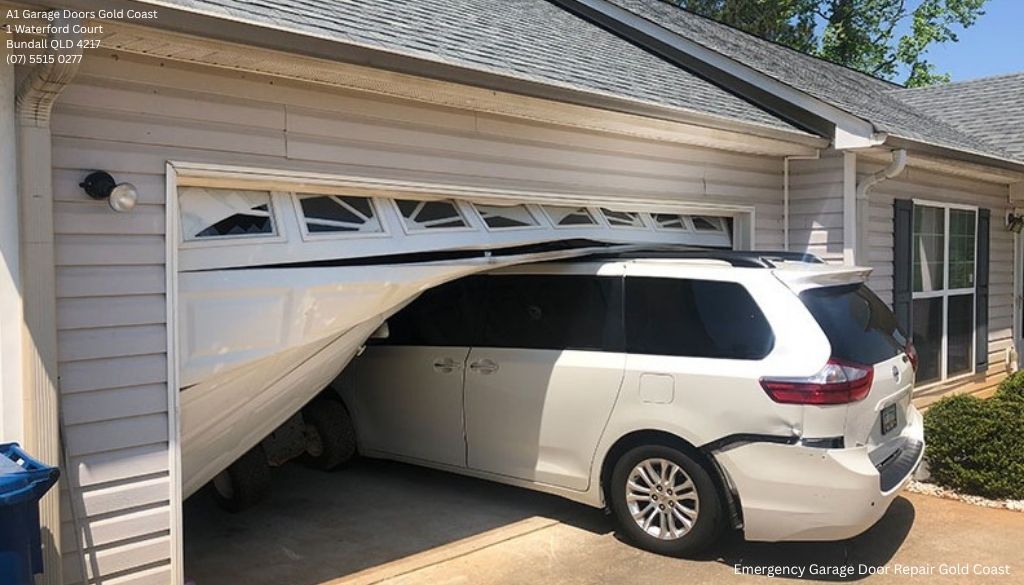
A door that shakes hard during travel can disturb sensor alignment. A door that does not sit properly in the garage door tracks may create inconsistent movement. Worn garage door rollers can contribute to rough operation. Garage door cables and garage door springs are part of the counterbalance system, and when the door is not properly balanced, the opener may strain or behave unpredictably. Torsion springs, in particular, are under significant tension and are not a casual homeowner repair item.
It is useful to separate what a homeowner can observe from what should be adjusted. You can observe whether the door reverses. You can observe whether the sensors are present. You can notice whether the door moves smoothly or roughly. But working on spring tension, cables, and certain mechanical repairs belongs in the category of professional garage door repair, especially when safety is already in question.
Garage door lubrication and routine garage door maintenance can help keep a system moving emergency garage door repairs Gold Coast more smoothly, but lubrication is not a cure for a failed reversal system. A quiet door with non-working sensors is still unsafe. A well-lubricated opener rail does not replace required entrapment protection. Maintenance is valuable, but it should never be used to rationalize ignoring a safety failure.
Children and garage door safety
Children should be taught garage door safety, and remote controls should be kept out of their reach. This guidance is simple, but it is often overlooked because children learn household routines by watching adults. If adults duck under a moving door, children may copy the behavior. If a remote is left clipped to a low shelf or tossed into a toy bin after a car cleanout, a child may treat it like any other button.
A garage door opener remote is not a toy. The wall control should not become part of a game. Children should understand that a garage door is a moving mechanical system, not something to race, hang from, or test. The safest habit is to wait until the door has fully opened or fully closed before walking through the opening.
This is also where adult behavior matters more than lectures. If a parent regularly jogs under the door while it is closing, a child will remember the shortcut, not the warning. If an adult stops the door and waits when a child or pet is nearby, that becomes the standard.
The presence of garage door sensors does not change that lesson. Safety features reduce risk, but they do not make reckless behavior safe. A seat belt does not make speeding smart. Photoelectric sensors do not make it wise to stand under a moving garage door.
Older openers deserve extra scrutiny
If you have an older opener, do not assume it meets current expectations just because it still lifts the door. The federal safety standard applies to automatic residential garage door openers, and required entrapment protection such as photoelectric sensors or an equivalent system is part of that framework. Non-reversing garage door openers are a known hazard.
The difficult part for many homeowners is emotional rather than technical. An old opener may feel dependable because it has worked for years. It may have opened every morning and closed every night with no memorable incident. But longevity is not proof of safe operation. A device can be durable and still lack the safety performance expected of a residential opener.
If the opener does not have visible photoelectric sensors or another equivalent safety system, or if the door does not reverse properly during testing, it is time to stop treating the issue as optional. Depending on the equipment and its condition, the answer may be adjustment, repair, or garage door replacement. In some cases, replacing an outdated garage door opener is the more sensible path than trying to keep an unsafe or unreliable system alive.
A professional inspection can help distinguish between a sensor issue, an opener issue, and a door system issue. That distinction matters because installing a new opener on a door with mechanical problems can leave the homeowner with the same unsafe behavior in a different form.
Installation details are not just technicalities
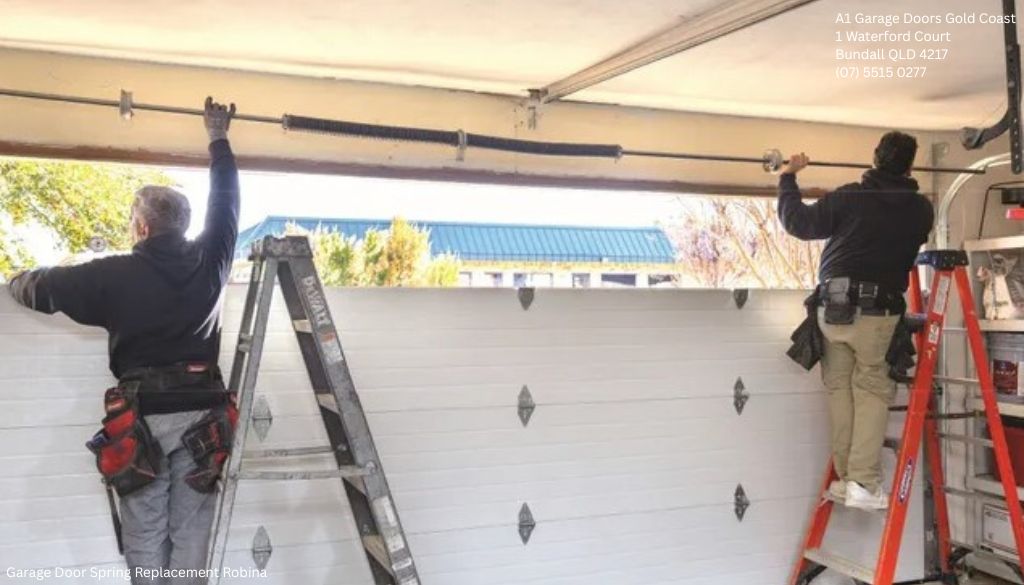
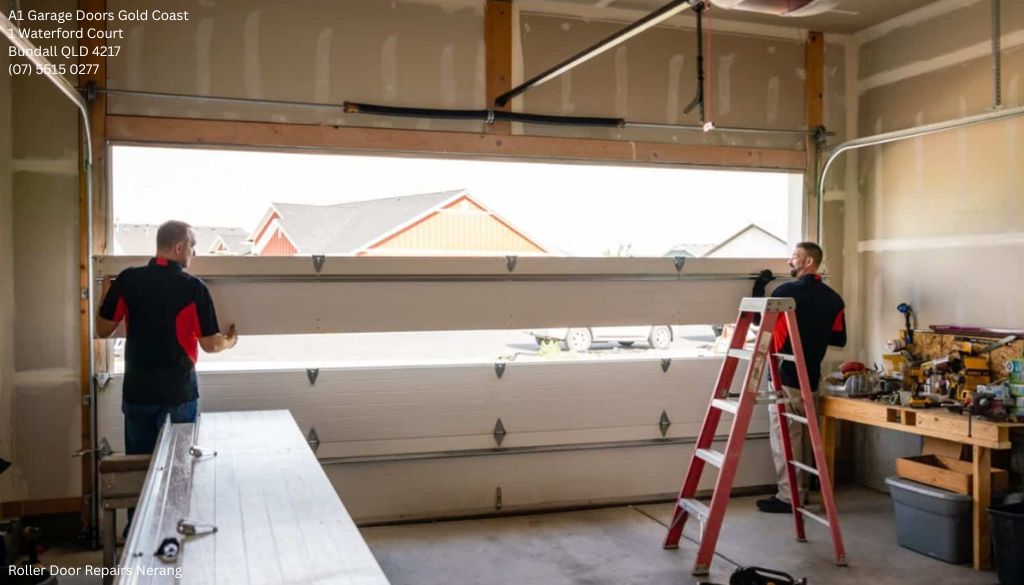
Garage door installation and opener installation happen in a physical work environment that deserves respect. Installation and repair work can involve ceiling height, cramped spaces, hand tools, awkward postures, and electrical components. Those conditions increase the need for careful, staged work rather than rushed improvisation.
A garage is not always an easy workspace. Vehicles may be close by. Storage shelves may crowd the side walls. Lighting may be poor. The opener is mounted overhead, and the installer may need to work above shoulder height for extended periods. Even a simple-looking sensor replacement can become awkward if the area is cluttered or the wiring path is difficult to access.
That does not mean every sensor issue requires a major project. It does mean that homeowners should respect the work. If you are cleaning around the sensors, do not yank wires or force brackets. If a technician is performing garage door repair, clear the work area and keep children and pets away. If you are attempting only the basic checks described in the owner’s manual, stop when the task moves beyond inspection and into adjustment you do not understand.
Good installation is not just about whether the door moves at the end of the job. It is about whether the safety systems are present, properly set up, and verified. A garage door opener that closes powerfully but ignores an obstruction has failed the most important test.
Common homeowner mistakes around sensors
Sensor problems often begin with ordinary household activity. Someone sweeps the garage and bumps one side with a broom. A storage bin slides against the bracket. A bicycle handlebar clips a wire. A pet bed or package sits in the beam path. The door refuses to close, and the homeowner gets frustrated because the car is outside or the weather is bad.
That frustration is where bad decisions happen. The most dangerous mistake is bypassing the safety system so the door will close. Another is assuming the opener is “too sensitive” and needs to be made less responsive without understanding the manual. A third is continuing to use the opener even after failed reversal tests because the door still seems to work if watched closely.
A safer approach is to treat any closing problem as information. The opener may be preventing a hazard. The sensors may be blocked, damaged, or misaligned. The door may have a mechanical issue that affects operation. The correct response is garage door troubleshooting, not defeating the safety feature.
A short decision guide helps keep priorities straight:
| What you observe | What it may mean | Sensible next step | |---|---|---| | Door fails to reverse during a safety test | Safety reversal system is not working as intended | Follow the owner’s manual or call a professional | | Sensors are missing or visibly damaged | Required entrapment protection may be absent or unreliable | Stop relying on automatic closing until inspected | | Door moves roughly or inconsistently | Mechanical components may need attention | Schedule garage door inspection or repair | | Children can reach remotes | Controls may be misused | Move remotes out of reach and teach safe habits |
The table is not meant to diagnose every opener. It is meant to keep the response proportional to the risk. When the issue involves reversal or entrapment protection, the threshold for action should be low.
Sensors do not replace the rest of the door system
It is tempting to focus only on the photoelectric sensors because they are easy to see. They matter, but a safe residential door depends on the whole system behaving correctly. Garage door balance affects how the door carries its own weight. Garage door springs and torsion springs provide counterbalance. Garage door cables help manage movement. Garage door rollers travel in the tracks. The opener adds controlled motion, but it should not be fighting a defective door.
A good garage door inspection looks at behavior, not just parts. Does the door move smoothly? Does it reverse when it should? Are the safety features present? Is there evidence that something has been altered to force operation? Those questions matter because a garage door can hide problems until a moment of stress exposes them.
Garage door maintenance should be regular, but it should also be honest. If a door has a safety fault, calling it “maintenance” does not make it minor. If the opener fails a reversal test, the next step is not merely garage door lubrication. If the door is mechanically compromised, replacing only a sensor may not restore safe operation. The best repair decisions come from looking at the opener and the door as one system.
When to call a professional
There is a reasonable place for homeowner involvement. You can read the owner’s manual. You can keep the sensor area clear. You can test the reversal system monthly. You can teach children not to play with the door or remote controls. You can notice changes in sound, movement, and behavior.
Professional help becomes the safer choice when the system fails a safety test, when sensors are missing or damaged, when adjustment is unclear, when the door moves roughly, or when springs, cables, tracks, or balance may be involved. The same is true when an older opener lacks modern entrapment protection or when a homeowner cannot verify that the opener reverses correctly.
Garage door repair is not only about restoring convenience. In the context of sensors and reversal systems, repair is about restoring a safety function. A professional should verify the system after work is complete, not simply make the door close again. That distinction separates a quick fix from responsible service.
If replacement is recommended, ask why. Sometimes garage door replacement or opener replacement is suggested because the existing equipment cannot be made to operate safely or reliably. Sometimes repair is enough. The right answer depends on the condition of the opener, the presence and function of entrapment protection, and the mechanical state of the door. What should not be negotiable is the requirement that the finished system reverses properly and includes required safety protection.
A safer routine for long-term ownership
The best garage door safety habits are boring, and that is a compliment. Test the reversal system monthly. Keep the photoelectric sensor path clear. Store remote controls where children cannot reach them. Watch and listen when the door operates. Treat a failed reversal test as a serious problem. Follow the owner’s manual, and bring in a professional when the repair goes beyond clear homeowner guidance.
Most garage door sensor problems do not announce themselves with drama. They begin as a blinking light, a door that will not close on the first try, a bracket bumped slightly out of place, or an owner holding the wall button longer than usual to get the door down. Those small moments are warnings. Responding early is easier, cheaper, and safer than waiting for a close call.
A residential garage door opener should do more than move the door. It should help protect the people who pass through that opening every day. The sensors, the reversing system, and the habits around them are part of that protection. When they are installed, tested, respected, and repaired when needed, the garage door remains what it ought to be: a useful entrance to the home, not an unmanaged hazard.