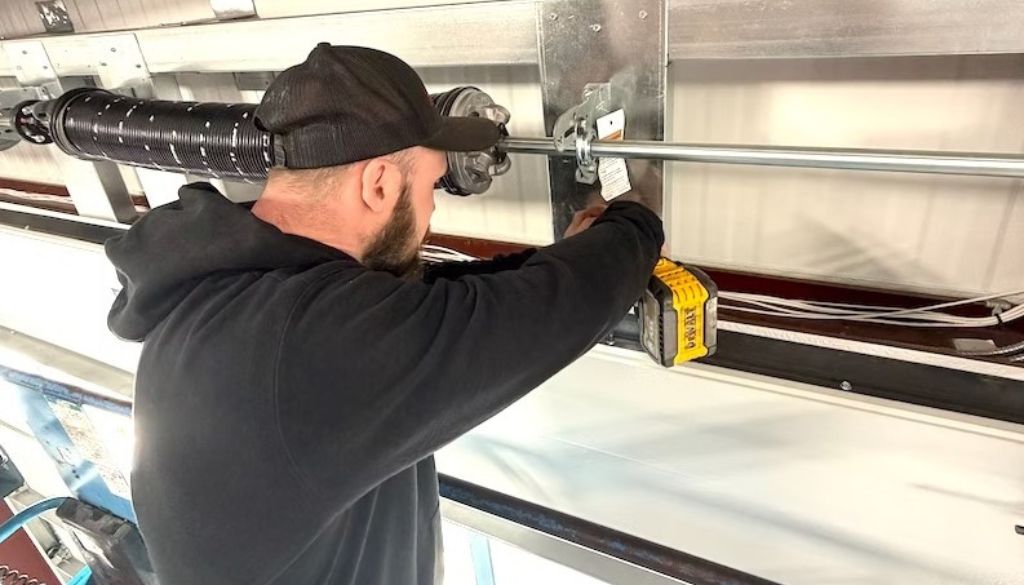
Garage Door Tracks Guide for Inspection and Troubleshooting
Garage door tracks do not usually get the attention that springs, openers, or the door panels receive, but they shape nearly every movement the system makes. When the tracks are secure, aligned with the rest of the assembly, and free from obvious obstruction, the door has a clear path. When something is off, the symptoms often show up as scraping, shuddering, hesitation, crooked travel, or a door that refuses to close smoothly.
A good garage door inspection starts with a simple idea: the door, opener, tracks, rollers, cables, springs, and safety devices are not separate concerns. They work as one system. A noisy track may point to a roller problem. A door that shifts to one side may involve cables, springs, or track hardware. A closing problem may look mechanical at first, then turn out to involve garage door sensors or the garage door opener’s safety reversal system.
That is why careful garage door troubleshooting matters. Guessing at a single part wastes time and can create risk. A measured inspection helps separate ordinary garage door maintenance from a condition that calls for professional garage door repair.
Why garage door tracks deserve a closer look
Tracks guide the door as it opens and closes. On a typical sectional residential door, the rollers ride inside the track path, allowing the panels to move from the vertical opening into the overhead position and back down again. The tracks are not the power source. They do not counterbalance the door. They do not lift the door by themselves. Still, when the track path is compromised, the rest of the system has to fight through that resistance.
That resistance is not just an annoyance. It can affect how the opener behaves, how the rollers wear, and how safely the door closes. A garage door opener is designed to operate a door that is already mechanically sound and properly balanced. It should not be used to overpower binding, dragging, or a door that is out of control. If the door does not travel cleanly, the opener may stop, reverse, strain, or fail to move the door as expected.
The safety side is even more important. Automatic residential garage door openers in the United States are covered by a mandatory federal safety standard. They must include entrapment protection, such as a photoelectric electric eye sensor or an equivalent safety system. A properly functioning opener should reverse when closing onto an obstruction, and the safety reversal system should be tested monthly. If the door fails to reverse, the opener should be adjusted according to the owner’s manual or inspected by a professional.
Tracks are part of that larger safety picture. A door that binds in the track, drops unevenly, or moves unpredictably can make safety testing less reliable and troubleshooting more complicated. The safest approach is to keep the mechanical door system in good working order while also confirming the garage door sensors and opener reversal features work as intended.
What a healthy track system looks and sounds like
A well-running garage door usually has a consistent rhythm. It may not be silent, especially if it is older, but it should not slam, jump, scrape heavily, or change speed abruptly. The rollers should stay in the track path. The door should not appear to twist or rack as it travels. The opener should not sound as though it is straining against resistance.
During garage door maintenance visits, I pay attention to the sound before I touch anything. A sharp metal-on-metal scrape suggests a different problem than a steady rumble. A clunk at the same point in travel often means something specific is happening at that location. A door that starts well, hesitates halfway, then finishes roughly is telling a different story than one that binds immediately from the floor.
Visual cues matter too. Tracks should appear firmly attached. Brackets should not look loose or pulled away. Rollers should sit properly in the track and travel without obvious wobble. The door should not lean dramatically to one side. The track should not show obvious bends, crushed sections, or areas where the roller path is visibly pinched.
This kind of observation is not glamorous, but it prevents many unnecessary repairs. People often call for a garage door opener problem when the opener is only reacting to a stiff or uneven door. Others assume the garage door tracks need replacement when the trouble begins with worn garage door rollers or an issue with garage door balance. The first job is to observe, not to force a diagnosis.
Safety before inspection
Garage doors are heavy systems with stored energy. The tracks are visible and approachable, which can make them seem harmless, but they are connected to components that can create serious hazards. Garage door springs, including torsion springs, are under tension. Garage door cables can also be under load. A person who loosens the wrong bracket or disconnects the wrong part can change how the door is supported.
Repair and installation work also carries ordinary job-site risks. Working near ceiling height, reaching around tight spaces, using hand tools, and holding awkward postures all create opportunities for injury. A careful inspection should be staged and deliberate, not rushed while standing on the top step of a ladder with one hand on a moving door.
Before doing any basic visual inspection, keep the door still. Do not place fingers between rollers and tracks. Do not stand under a moving door. Do not let children handle remote controls or play near the opening. Children should be taught garage door safety, and remotes should be kept out of their reach. The door may be familiar, but it is still a moving mechanical system.
Here is a short safety boundary that separates homeowner observation from work better left to trained technicians:
- Look and listen from a safe position, but do not loosen spring, cable, or bottom bracket hardware.
- Test the opener’s reversal and sensor function monthly, following the owner’s manual.
- Stop using the opener if the door fails to reverse properly or behaves unpredictably.
- Call a professional if the door is crooked, jammed, off track, or supported unevenly.
- Avoid forcing the door open or closed when the cause of resistance is unknown.
That last point matters. Forcing a stuck door often turns a repairable issue into a larger garage door replacement conversation. It may also make a safety problem worse.
The relationship between tracks, rollers, and balance
Garage door tracks and garage door rollers are a matched working pair. The track provides the path. The roller follows it. When the roller is damaged, loose, worn, or obstructed, it can make the track look like the problem. When the track is bent, mispositioned, or blocked, it can damage rollers or push them out of their normal travel.
Garage door balance adds another layer. A properly balanced door should not depend on the opener to do all the lifting. The spring system carries much of that load. If the door is poorly balanced, the opener may struggle, and the door may move in ways that exaggerate track problems. A track can become the place where symptoms appear, even when the root cause sits elsewhere in the system.
This is why a professional garage door inspection usually follows the movement of the entire door rather than staring only at one noisy spot. If the door rises unevenly, the technician thinks beyond the track. If one side seems lower, the inspection may include cables, rollers, springs, and attachment points. If the opener reverses for no obvious reason, the path of travel, door balance, sensor alignment, and opener settings may all come into the conversation.
For homeowners, the practical takeaway is simple: do not assume a track noise means the track itself is bad. Tracks can be damaged, but they are also excellent messengers. They report trouble from other parts of the system.
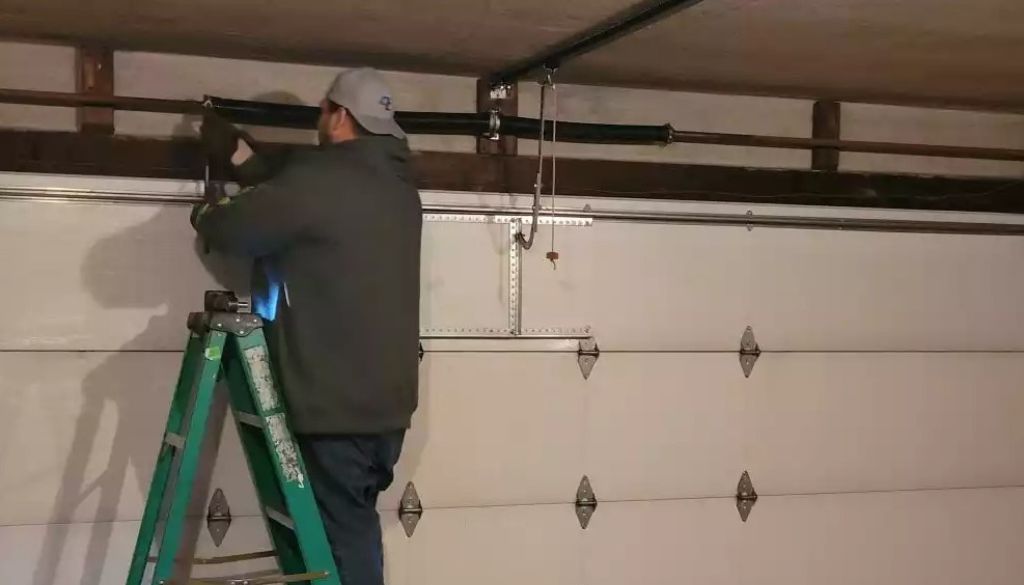
Common symptoms and what they may indicate
A door that rubs, chatters, or stops along the way needs context. The same symptom can have several causes. A garage door troubleshooting process should move from visible and low-risk observations toward more technical checks only when needed.
A scraping noise along one side may mean the door is contacting part of the track path or that a roller is not moving cleanly. It may also point to shifted hardware or panel movement. A repeated clunk at one location can come from a roller passing a damaged area or from a door section moving under load. A door that reverses before reaching the floor may be reacting through the opener’s safety system, physical resistance, or sensor-related interruption.
Garage door sensors deserve special attention. Federal safety requirements for automatic residential garage door openers include entrapment protection, such as photoelectric sensors or an equivalent system. If the sensors are missing, blocked, misaligned, or not functioning, the door may not close properly, or it may create a serious hazard. A garage door safety check should confirm that the photoelectric sensors are installed and working.
A non-reversing opener is not a minor defect. Consumer safety guidance has repeatedly warned that garage door openers that fail to reverse are hazardous. The reversal system should be tested monthly. If the door does not reverse when it should, the owner’s manual should be followed for adjustment, or a professional should inspect the system. That guidance applies whether the first symptom seems to come from the opener, the tracks, or another part of the door.
A practical inspection flow for homeowners
A homeowner inspection should be visual, cautious, and limited. The goal is not to rebuild the system. The goal is to notice changes early and decide whether normal garage door maintenance is enough or professional garage door repair is appropriate.
- Watch one full open-and-close cycle from inside the garage, standing clear of the door and tracks.
- Listen for scraping, grinding, popping, or a change in opener strain at the same point in travel.
- Look for obvious track damage, loose-looking brackets, rollers that do not sit correctly, or a door that travels crooked.
- Confirm the garage door sensors are present, unobstructed, and working as part of the opener’s safety system.
- Test the safety reversal system monthly, and stop using the opener if it fails.
This inspection does not require dismantling anything. It does require patience. Many problems appear only during movement. A still door may hide a roller that binds under load or a track section that only becomes noisy when the panel transitions through it.
If you notice a problem, write down where it happens. “The door scrapes on the right side” is useful. “The door scrapes on the right side about halfway up, and the opener light flashes afterward” is more useful. Good observations help a technician troubleshoot faster and reduce the chance of unnecessary parts replacement.
When lubrication helps, and when it hides the problem
Garage door lubrication is one of the most misunderstood parts of maintenance. Lubrication can reduce friction and noise in appropriate areas of the door system, depending on the manufacturer’s instructions and the hardware involved. It cannot straighten a damaged track, correct a balance problem, restore a failing safety device, or make a compromised opener safe.
The mistake I see often is treating lubricant as a cure for every noise. A homeowner hears scraping, sprays everything in reach, and the door quiets down for a few days. Then the noise returns louder because the original issue was mechanical movement, damaged hardware, or poor alignment. In that case, lubrication delayed the inspection rather than solving the problem.
A better approach is to inspect first. If the track is visibly damaged, if a roller looks displaced, if the door travels crooked, or if the opener reverses unexpectedly, lubrication is not the first answer. If the door is otherwise operating normally and the manufacturer’s maintenance guidance calls for lubrication of specific moving parts, then lubrication may be part of routine garage door maintenance.
Tracks themselves should not be treated as a catchall place for grease. Excess product can attract dirt and make inspection harder. Follow the owner’s manual and the door manufacturer’s guidance. If that documentation is missing or unclear, a professional can advise during a routine service visit.
The opener is not a substitute for a sound door
Automatic openers add convenience, but they also make it easier to ignore the physical condition of the door. With a button press, the motor may drag a stiff door along for months before a failure becomes obvious. By then, the strain may have affected multiple parts.
A garage door opener should operate a door that moves properly. If the door binds in the tracks, runs crooked, or seems unusually heavy, the opener is not the part to blame first. The opener may be doing exactly what it should by stopping or reversing when it senses resistance or an unsafe condition.
Safety systems are central here. A properly functioning opener should reverse when closing onto an obstruction. Photoelectric sensors or equivalent entrapment protection are required on automatic residential garage door openers under the federal safety standard. These systems are not optional accessories. They are part of safe operation.
If the door will not close and the opener appears to reverse, do not bypass the sensors as a convenience fix. Find out why the system is reacting. Sometimes the issue is simple, such as an obstruction in the sensor path. Other times, the door may be encountering physical resistance in the tracks. Either way, defeating a safety feature changes the risk profile of the entire system.
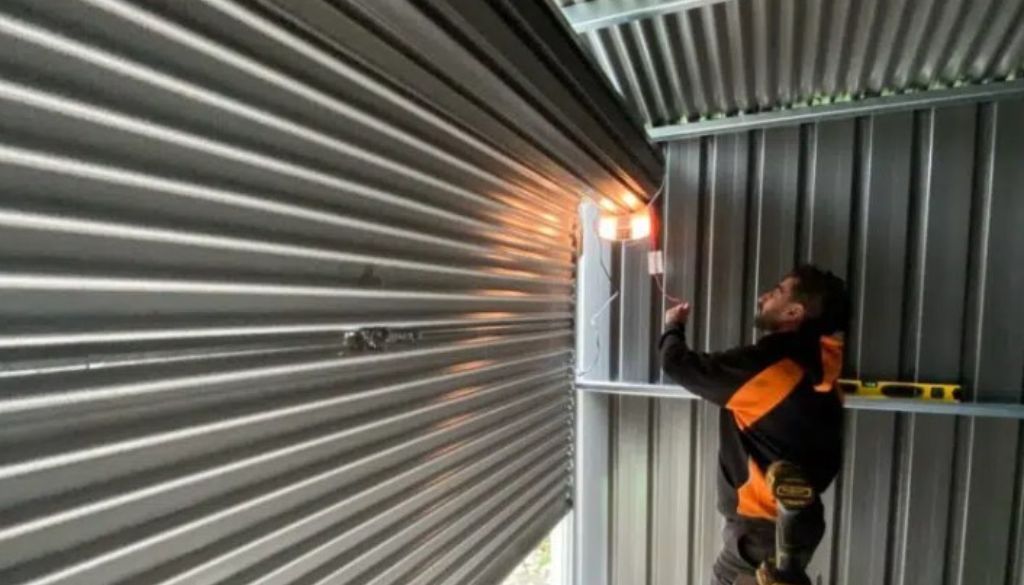
Track damage and the question of repair versus replacement
Not every track issue requires garage door replacement. Some problems involve adjustment, hardware service, roller replacement, or opener troubleshooting. Other situations call for replacement of damaged components. The judgment depends on the condition of the door, the track, the rollers, the spring system, the opener, and the age and suitability of the whole installation.
A lightly noisy door with intact hardware is different from a door that has come out of the track. A bracket that appears loose is different from a track that is bent sharply or crushed. A door that reverses because of a sensor issue is different from a door that cannot travel evenly because the mechanical path is compromised.
Professional judgment matters because the track is tied into the rest of the door structure. If the repair requires loosening load-bearing hardware, addressing cables, handling springs, or working with the door in an unstable position, it is not a safe homeowner project. Garage door springs and torsion springs in particular are not casual do-it-yourself components. They store energy and should be handled by qualified technicians.
Garage door installation quality also commercial garage door services Gold Coast affects track performance over time. A door that was installed poorly may show chronic track symptoms even if individual parts are not obviously broken. The opener rail, door sections, track path, spring system, and sensor placement all need to work together. When they do not, the homeowner experiences the problem as noise, reversal, rubbing, or unreliable closing.
What professionals look for during track-related service
A professional inspection is broader than a glance at the track. The technician watches the door travel, listens for the type and location of noise, checks the visible condition of track sections and brackets, observes roller movement, considers door balance, and verifies safety features. The opener is evaluated as part of the system, not as a separate appliance sitting on the ceiling.
The safety reversal system receives special attention because a non-reversing door creates a serious hazard. Monthly testing is recommended, and failure to reverse should lead to owner’s manual adjustment or professional inspection. For a technician, that failure changes the priority of the service call. A noisy door is one thing. A door that does not reverse properly is a safety concern that should not be postponed.
Garage door sensors are also checked because the federal standard requires an entrapment protection system such as photoelectric sensors or an equivalent system on residential automatic openers. If sensors are missing, damaged, blocked, or not doing their job, the door cannot be considered fully safe just because it opens and closes.
Physical working conditions matter too. Garage door repair and installation often happen at ceiling height, in tight spaces, and with awkward reaches. A good technician stages the work carefully rather than improvising under load. That kind of methodical approach may look slow from the driveway, but it is how injuries and mistakes are avoided.
How small track issues grow into larger failures
Garage doors rarely become unreliable all at once. The early signs are usually modest. A little scrape. A roller that sounds rough. A door that closes on the second try. A sensor that seems finicky. A slight change in the opener’s tone.
Those signs are easy to dismiss because the door still works. Then one cold morning, or late at night, or during a busy school run, the door refuses to close. By that point, the issue may involve more than one component. A track concern may have affected rollers. A balance issue may have strained the opener. A sensor issue may have been bypassed instead of repaired. What started as routine garage door maintenance becomes urgent garage door repair.
The cost difference is not just financial. An unreliable garage door disrupts daily routines and creates security and safety concerns. If the door is stuck open, the garage and the home may be exposed. If it is stuck closed, vehicles and stored equipment may be inaccessible. If it is unstable or off track, the area around it may be unsafe until repaired.
Regular inspection reduces that risk. It does not guarantee that parts will never fail, but it gives you a better chance of catching problems while they are still manageable.
Special caution with doors that are off track or crooked
A door that is visibly off track or hanging crooked should be treated as a serious condition. Do not keep pressing the opener button to “walk it back” into place. Do not try to force the rollers into position while the door is under load. Do not loosen track brackets, cable attachments, or spring-related hardware in an attempt to free the door.
When a door is crooked, the forces in the system may not be distributed normally. The cables may not be carrying load evenly. The rollers may be binding. The track may be damaged or pulled out of position. The spring system may be involved. Without knowing which part is supporting the weight at that moment, a homeowner can make a dangerous move with ordinary hand tools.
This is one of the clearest points where professional garage door repair is warranted. The technician can stabilize the door, inspect the cables, rollers, tracks, springs, and opener connection, then determine what failed first. That sequence matters. If the visible track problem is repaired without addressing the cause, the door may repeat the failure.
Monthly safety testing belongs with track inspection
Many homeowners think of sensor testing and track inspection as separate chores. In practice, they belong together. The door’s mechanical path and the opener’s safety response both affect whether the system can be trusted.
Safety reversal systems should be tested monthly. If the door fails to reverse, the owner’s manual should guide adjustment, or a professional should inspect it. The photoelectric sensors, or equivalent entrapment protection, should be present and working. Children should be taught not to play with or around the garage door, and remotes should stay out of their reach.
Pairing this monthly safety check with a quick look at the tracks makes sense. You are already observing the door in motion. Listen for new noise. Watch whether the rollers follow the track cleanly. Notice whether the door hesitates or shifts. Check that nothing has been stored in a way that interferes with the sensor path or door travel.
A disciplined monthly habit takes only a short time, but it changes how you own the system. Instead of waiting for failure, you build a record of normal operation. When something changes, you notice.
When a new door or new opener changes the track conversation
Garage door replacement, garage door installation, and opener replacement can all affect track decisions. A new opener installed on a poorly moving door will not solve a mechanical problem. A new door installed with careless track setup may never operate as well as it should. A replacement section or hardware change can also reveal weaknesses elsewhere in the system.
The best installations are treated as systems. The door must move properly. The tracks must guide the rollers cleanly. The springs must support the door’s weight appropriately. The cables must track correctly. The opener must be matched to a door that is mechanically sound. The sensors and reversal system must function.
There is a practical reason to insist on that full-system view. Homeowners often judge an installation by whether the button works on day one. Professionals judge it by whether the door travels smoothly, reverses properly when required, and can be maintained safely over time. Those standards are not cosmetic. They determine whether the system will be reliable and safe.
If you are replacing an older opener, pay close attention to the safety features. Automatic residential garage door openers are required to have entrapment protection, and older unsafe conditions should not be carried forward. If a previous opener did not reverse reliably, the replacement project should include a serious look at the door’s mechanical condition, track path, sensors, and balance.
A realistic approach to troubleshooting
Good troubleshooting is patient. It avoids the temptation to blame the last part touched or the loudest part heard. With garage door tracks, that patience pays off because symptoms travel through the system.
Start with observation. Is the issue happening during opening, closing, or both? Is it always in the same place? Does the opener reverse, stop, or continue straining? Does the door look level? Are the sensors clear? Has anything changed recently, such as storage near the tracks, a minor impact, service work, or a new opener?
Then separate safety issues from comfort issues. A squeak on an otherwise smooth manual door may be a maintenance item. A door that fails reversal testing is a safety concern. A door that is crooked or off track is a repair concern. A door that binds hard enough to stop the opener deserves inspection before further operation.
The most expensive mistake is repeated operation after the system has given a warning. Every forced cycle can worsen damage. If the door sounds wrong, moves wrong, or fails a safety test, stop and address it.
The standard worth keeping
A garage door is part machine, part entrance, part household habit. Because it is used so often, people stop seeing it. Tracks gather dust. Rollers age. Sensors get bumped. Openers are expected to perform without complaint. Then a failure reminds everyone how much weight and motion are involved.
A reliable door does not require obsession. It requires regular attention, monthly safety testing, and enough judgment to know when a problem has moved beyond basic garage door maintenance. Watch the tracks. Listen to the rollers. Respect the springs and cables. Keep the garage door sensors working. Test the opener’s reversal system. Teach children that the garage door is not a toy.
When the door travels cleanly, reverses properly, and shows no signs of track distress, it can do its job quietly in the background. When it scrapes, binds, runs crooked, or fails a safety check, treat that as useful information. The tracks are telling you something. A careful inspection, followed by the right repair decision, keeps a small warning from becoming a larger failure.