Signs Your Garage Door Motor Is Overheating and What's Behind It
A garage door opener that stops partway, refuses to respond, then mysteriously works again half an hour later is often misdiagnosed as faulty wiring or a dying motor. In many cases the real explanation is overheating, and the opener is protecting itself by shutting down. Recognising the signs of an overheating motor helps you address the cause rather than replacing a unit that is actually doing its job. Openers are built to handle normal use, so when one overheats it is usually telling you that something is making it work too hard. Below you'll find how to recognise an overheating opener, why it happens, and what you can do before reaching for a replacement.How an Opener Protects Itself From Heat
Most garage door openers include a thermal cut-out, a safety feature that shuts the motor down when it gets too hot. This prevents the motor windings from being damaged by excessive heat. Once the motor cools, the cut-out resets and the opener works again. So an opener that quits and later revives is often not broken at all; it is overheating and then recovering, which is a symptom rather than the disease.
The Signs to Watch For
- The door stops mid-travel: The opener halts partway and will not continue, then works later once cooled.
- Intermittent unresponsiveness: The opener ignores the remote and wall button for a while, then responds again.
- A hot motor housing: The unit feels noticeably warm or hot to the touch after operation.
- A burning or hot-electrical smell: A faint hot smell from the motor is a clear warning to stop using it.
- Slower or laboured operation: The motor sounds like it is straining before it cuts out.
Why a Motor Overheats
The door is hard to move
This is the most common cause. A door that is out of balance, has worn rollers, binding tracks or a failing spring forces the motor to work far harder than it should. The extra effort generates heat, and the cut-out trips. The opener is often the victim, not the culprit.
Too many operations in quick succession
Opening and closing the door many times in a short period, on a busy morning, for example, does not give the motor time to cool, and a residential opener not rated for continuous use will overheat.
Heat in the garage
In a hot climate, a poorly ventilated garage can be very warm, and an opener already working in high ambient heat reaches its cut-out temperature sooner.
A worn or failing motor
An ageing motor with worn bearings or windings runs hotter and trips its cut-out more easily, which can be a genuine sign the opener is near the end of its life.
What to Check First
Before assuming the opener is finished, check how the door itself moves. With the opener disengaged via the manual release, lift the door by hand. It should feel light and balanced, gliding up and staying put when stopped midway. If it is heavy, sticks, or wants to slam shut or fly open, the door is making the motor work too hard, and fixing the balance, rollers, tracks or springs will usually stop the overheating. If the door moves beautifully by hand but the motor still overheats, the opener itself may be the problem.
Common Homeowner Mistakes
- Replacing the opener first: Fitting a new motor to a hard-to-move door simply overheats the new unit too.
- Hammering the button when it stops: Repeated attempts while the cut-out is active achieve nothing and can stress the motor.
- Ignoring a burning smell: A hot-electrical smell means stop and investigate, not push on.
- Blocking ventilation: Stacking storage around or over the opener traps heat.
Safety Considerations
A genuinely hot motor or a burning smell warrants switching the opener off at the power point and not using it until the cause is found, as overheating electrical components are a fire risk. Diagnosing the door's balance involves disengaging the opener and handling the door, which should be done carefully, as an unbalanced door can move suddenly.
When to Call a Professional
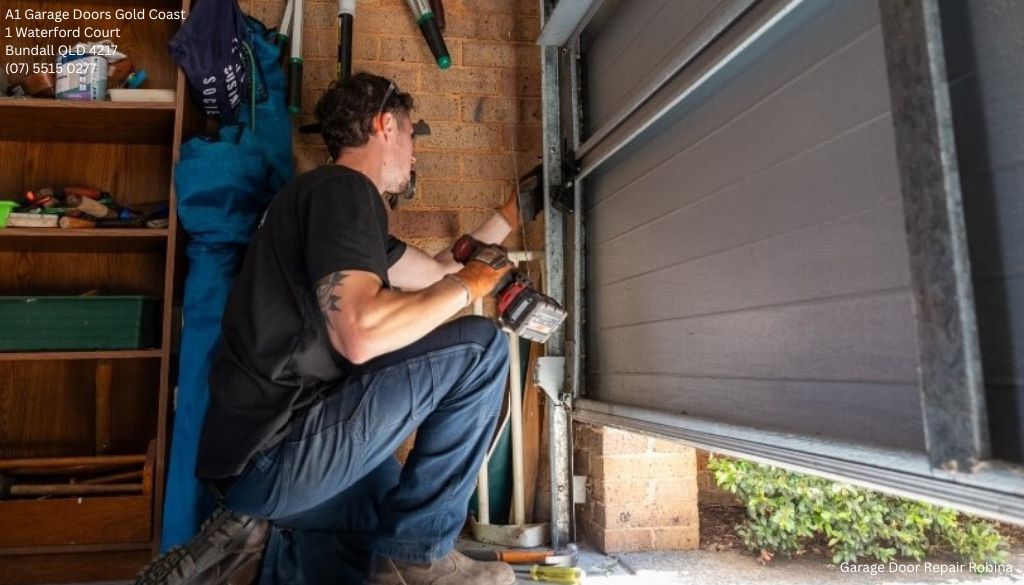
If your door is heavy or binding, a technician can correct the balance, rollers, tracks or springs so the opener is no longer overworked. If the door moves freely but the opener still overheats, or you notice a burning smell, a technician can assess whether the motor is failing and needs replacement. Either way, treating the cause prevents a needless or repeated opener replacement.
Frequently Asked Questions
Is an overheating opener dangerous?
Persistent overheating and any burning smell are a concern, so switch off at the power and have it checked. The cut-out exists precisely to reduce that risk.
Why does my opener work again after a while?
The thermal cut-out resets once the motor cools, which is why an overheating opener revives after a break.
Could the problem be the door rather than the opener?
Very often, yes. A hard-to-move door overworks the motor, so checking new garage door installation Gold Coast the door's balance is the first step.
How can I help my opener stay cool in summer?
Keep the area around it clear for airflow, ensure the door is well balanced and lubricated, and avoid many rapid consecutive operations.
About A1 Garage Doors Gold Coast
A1 Garage Doors Gold Coast services homes and businesses across the Gold Coast and surrounding suburbs for repairs, replacements and installations. Contact details are below.
A1 Garage Doors Gold Coast
1 Waterford Court, Bundall, QLD 4217 Phone: (07) 5515 0277 Website: https://goldcoastgaragedoorrepair.com.au An opener that stops mid-travel and recovers later is usually overheating and protecting itself, not failing outright. The most common reason is a door that is hard to move, so before replacing the unit, check that the door is light and balanced by hand. Keep the opener ventilated, avoid rapid repeated cycles, and treat any burning smell as a stop signal. Fix what is overworking the motor, and the overheating usually disappears along with the temptation to buy a new opener you may not need.