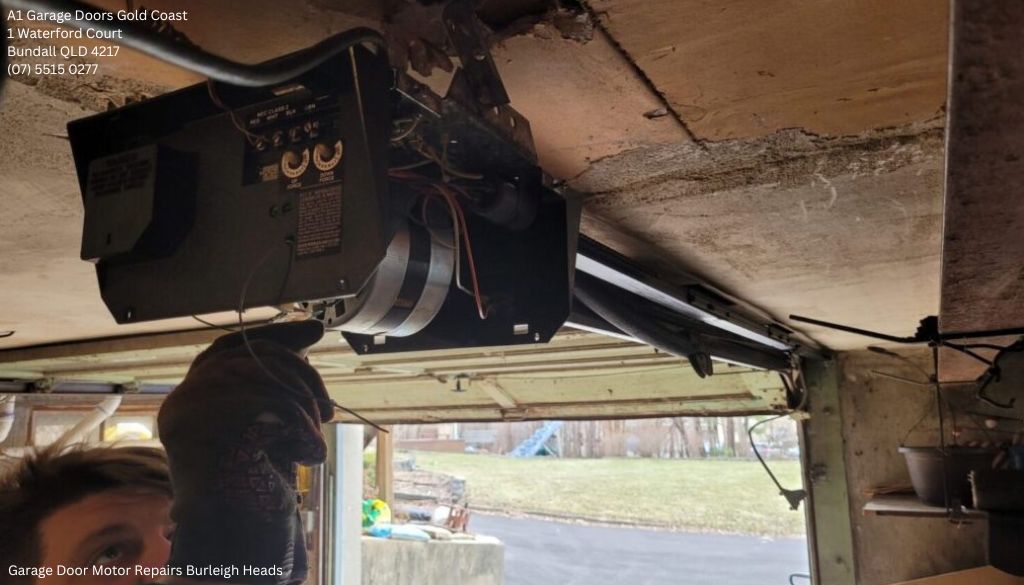
When to Replace the Whole Garage Door Instead of Repairing It
Most garage door problems are repairs: a spring, a cable, a set of rollers, a panel. But there comes a point with some doors where pouring money into repairs no longer makes sense, and a whole new door is the smarter investment. Recognising that tipping point saves you from the frustration of an endless series of fixes on a door that is fundamentally near the end of its life. The decision is rarely about a single fault and more about the door's overall condition, age and the pattern of problems it is showing. Below you'll find the signs that point toward full replacement, how the economics weigh up against repair, and the upgrades that can make replacement worthwhile.The Difference Between a Repair and a Replacement Case
A single failed component on an otherwise sound door is a clear repair. Replacement enters the picture when the problems are no longer isolated, when multiple systems are failing, when the door is old, or when the cost and frequency of repairs start to rival the value of a new door. The question shifts from fixing this fault to whether the door as a whole still has worthwhile life left in it.
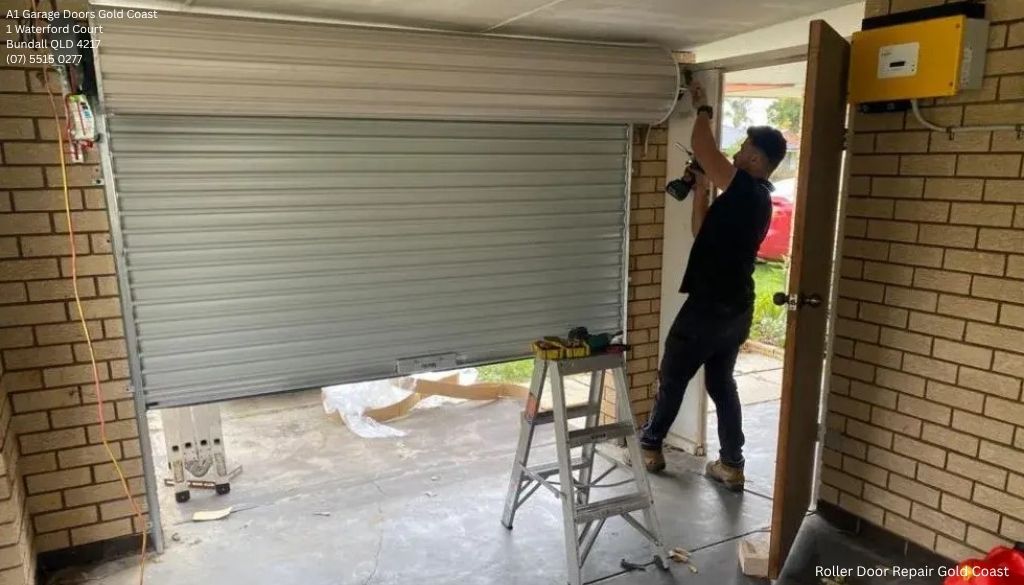
Signs That Point Toward Full Replacement
Multiple systems failing
When the springs, cables, rollers and panels are all worn or failing around the same time, which often happens because they have aged together, repairing them one by one becomes a poor investment compared with a new door.
Widespread corrosion
In coastal conditions, if corrosion has taken hold across the springs, cables, tracks, hardware and panels rather than in one spot, a new door addresses the whole problem at once. Patching corroded parts on a corroded door is a losing battle.
Obsolete or unavailable parts
If the door is old enough that replacement panels or hardware are no longer made, repairs become difficult, compromised or impossible, pushing the decision toward replacement.
Repeated repairs
When one fault follows another in quick succession, the door is telling you it is near the end of its life, and continuing to repair it is throwing good money after bad.
Significant structural damage
Major damage from an impact or an off-track event that has affected multiple panels and the door's structure can make replacement more sensible than extensive repair.
The Economics of Repair vs Replace
The sensible way to weigh it is to compare the cost of the needed repairs, and the repairs likely to follow soon, against the cost and remaining-life value of a new door. A repair that buys a few more months on a failing door is poor value if a new door would give many years of reliable, low-maintenance service. Conversely, a single repair on a sound door is almost always the better choice. The tipping point is where ongoing repair costs and the risk of further failures outweigh the investment in a new door.
Upgrades That Make Replacement Worthwhile
- Insulation: A new insulated door can make a garage cooler, quieter and more solid, a real benefit if the space is used as a room.
- Better security: Modern doors and openers offer improved security features over older designs.
- Improved safety: Newer doors incorporate pinch-resistant panels and current safety systems.
- Corrosion-resistant components: A new door can be specified with components suited to the coastal climate from the outset.
- Appearance: A new door noticeably improves the look of the home's frontage.
When replacement is on the table anyway, these upgrades can tip the value firmly in its favour.
Common Homeowner Mistakes
- Repairing a failing door indefinitely: A string of repairs on an old door often costs more than a new one over time.
- Replacing a sound door over one fault: A single repairable fault on a good door does not warrant full replacement.
- Ignoring widespread corrosion: Patching one corroded part on a thoroughly corroded door rarely lasts.
- Overlooking the upgrade value: When replacing anyway, the benefits of insulation, security and safety add real value.
How Technicians Help You Decide
A technician assesses the whole door rather than just the presenting fault, evaluating the condition of the springs, cables, rollers, tracks, panels and opener, the extent of any corrosion, the availability of parts, and the door's age. They compare the cost of the necessary and likely-upcoming repairs against the value of a new door, and lay out the options honestly so you can decide. The aim is to steer you away from both needless replacement and false-economy repairs.
When to Call a Professional
If your door is suffering repeated faults, widespread corrosion, or damage across multiple systems, a technician can assess whether continued repair or full replacement is the better value, and explain the upgrades a new door would bring. An honest assessment is the best basis for the decision.
Frequently Asked Questions
How do I know if I should replace rather than repair my door?
Replacement makes sense when multiple systems are failing, corrosion is widespread, parts are unavailable, repairs are frequent, or damage is structural.
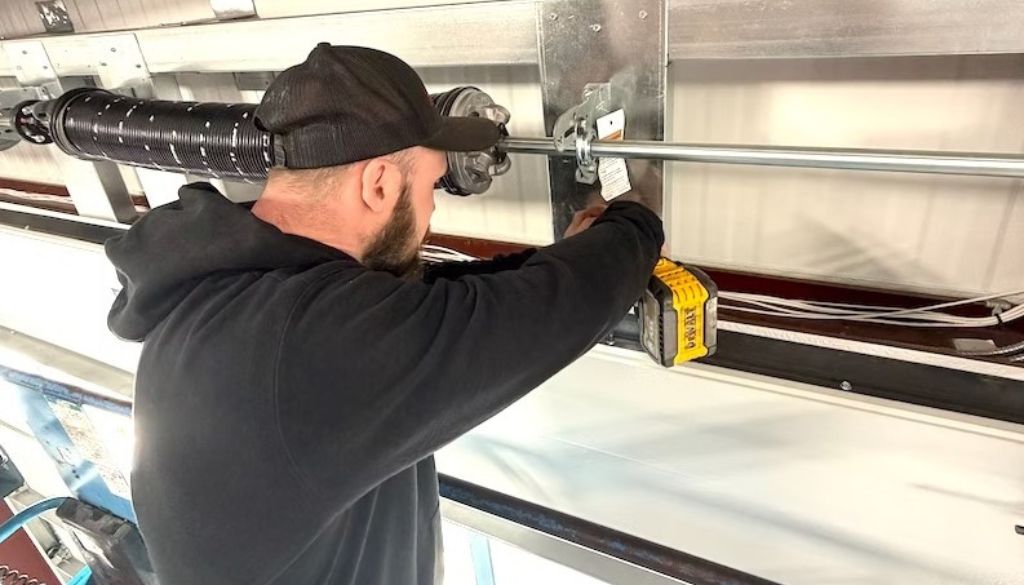
Is it always cheaper to repair than replace?
In the short term often yes, but a series of repairs on a failing door can exceed garage door maintenance and repairs Gold Coast the cost of a new door that gives years of reliable service.
Should one broken spring make me consider a new door?
Not on its own. A single repairable fault on an otherwise sound door is a repair, not a replacement case.
What are the benefits of a new door beyond fixing the problem?
Insulation, better security and safety, corrosion-resistant components and improved appearance can all add value when replacing anyway.
About A1 Garage Doors Gold Coast
A1 Garage Doors Gold Coast services homes and businesses across the Gold Coast and surrounding suburbs for repairs, replacements and installations. Contact details are below.
A1 Garage Doors Gold Coast
1 Waterford Court, Bundall, QLD 4217 Phone: (07) 5515 0277 Website: https://goldcoastgaragedoorrepair.com.au Most faults are repairs, but a door tips into replacement territory when multiple systems are failing together, corrosion is widespread, parts are obsolete, repairs keep recurring, or damage is structural. The decision is about the door as a whole, comparing the cost of current and looming repairs against the years of reliable service a new door would give. When replacement is warranted, upgrades like insulation, security, safety and corrosion-resistant components add real value, so weigh the whole picture rather than chasing one fault at a time.