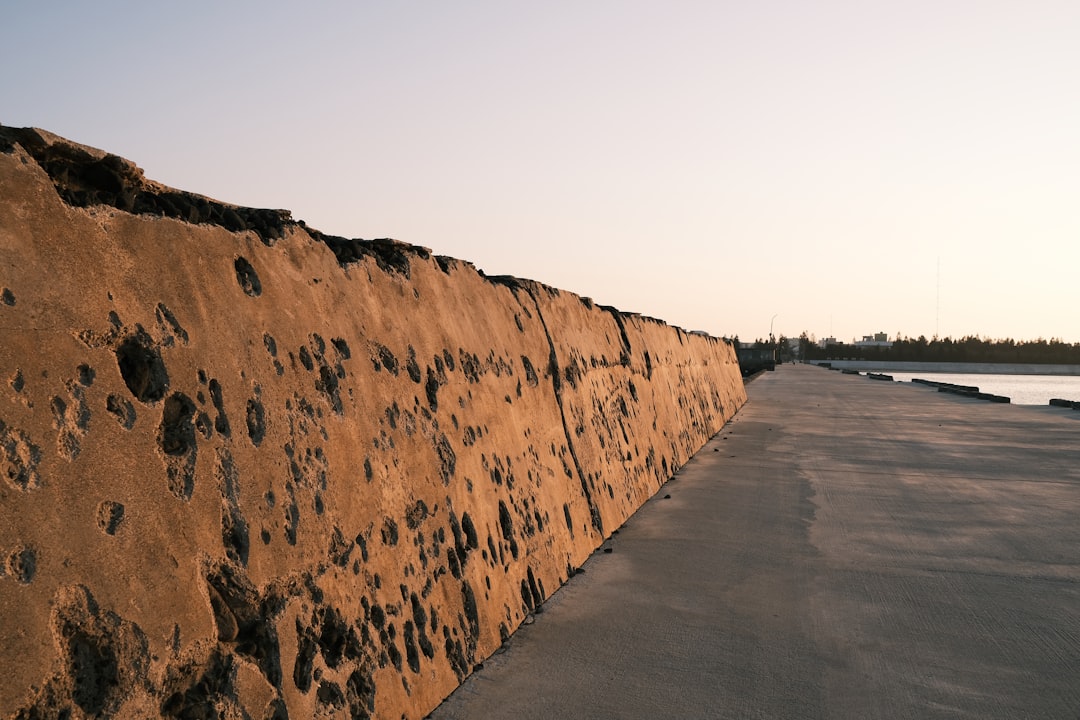
For Perth retaining projects, the core checks are height, drainage, material fit and permit status. The published guidance says Western Australia generally treats 0.5 m of retained ground as the building permit exemption line, with taller or linked work needing closer review. Typical quoted wall face rates on the source page are about $250 to $600/m2 for limestone block and $450 to $700/m2 for concrete post and panel, before excavation, drainage and engineering are added.
For homeowners comparing retaining walls perth options, the useful starting point is not a material preference but the site height, soil, drainage path and permit trigger.
Retaining Walls Perth Explained
Retaining Walls Perth frames the Perth decision around soil, slope, wall height and the Western Australian permit rule. That order is useful because a low garden edge, a split-level building pad and a boundary wall do not carry the same design burden, even if they all look like simple retaining at quote stage.
The source page makes one local point clear: Perth is not just a generic Australian retaining wall market. It identifies the coastal sand belt and Tamala limestone as reasons limestone block is often a leading quote option, while still noting that sand can need retaining where a level pad, excavation face or boundary condition is involved.
Before choosing a finish, a homeowner should gather the facts a contractor will need:
- Approximate wall height and length.
- Whether the wall is near a boundary, fence, driveway, house pad or other building work.
- Whether water collects after winter rain or drains away cleanly.
- Whether the job is a new build, garden terrace, repair or replacement.
Material Choices That Match Perth Conditions
The main material decision is practical rather than decorative. Limestone block suits many Perth projects because it is presented as the local signature material, with either cut Tamala limestone or reconstituted block used for a locally familiar finish. It may be the natural first quote where the wall is visible and the site conditions are straightforward.
Concrete post and panel is described as galvanised steel posts with slotted concrete panels. The source notes that Perth suppliers may also call similar systems precast or twin-side, so comparing quotes requires checking the actual construction method, not just the label.
Besser block is positioned for taller engineered retaining and rendered boundary finishes, while timber sleeper walls are described for garden terraces and low boundary retaining. Rock and boulder walls are tied to sloped Perth Hills blocks where a battered, free-draining finish is suitable. For a second concise overview of local wall planning, see this Perth retaining wall decision guide.
Permit And Engineering Checks
The published guidance states that Western Australia's building permit exemption applies only where a retaining wall retains no more than 0.5 m of ground and is not tied to other building work, protection of adjoining land, a boundary wall or a dividing fence. It cites Building Regulations 2012 Schedule 4 and advises confirming with local government before work starts.
That is a stricter trigger than many homeowners expect if they have heard a 1 m rule from another state. The safer quoting question is direct: how much ground will the wall retain, and does the job connect to other building work or an adjoining property issue?
The same page says walls retaining more than 0.5 m of ground, or tied to other building work, should be designed to AS 4678 with building permit and engineering sign-off where Western Australia requires it. A written quote should therefore separate wall construction, drainage, excavation, engineering and permit handling so the scope is not hidden inside one headline number.
Drainage Is Part Of The Structure
Drainage is not a cosmetic allowance. The source page names ag-drain, gravel and geofabric behind every wall type, and calls drainage the detail that matters most through Perth's wet winter and dry summer cycle. That means the cheapest wall face rate is not enough information to compare two offers.
When reviewing a quote, ask where water goes, how the backfill is specified, and whether geofabric is included. A wall may look similar from the front while having very different hidden drainage details behind it.
For repairs, the page lists warning signs such as a visible lean or bulge, horizontal cracking, gaps at the base, water pooling or seeping through the face after rain, and soil settling or slumping above the wall. Those signs should be assessed before patching the visible surface, because the cause may sit behind or below the wall.
Who This Applies To
This guide applies to Perth homeowners planning a new wall, replacing a failed wall, levelling a sloped block or comparing quotes for a boundary or garden terrace. It is especially relevant where the wall is above a low garden edge, near other structures, or part of a broader building project.
It also applies to owners comparing retaining walls in coastal suburbs, the inner sand belt or the Darling Scarp foothills, because the source page separates those site contexts when discussing limestone, sand, hills blocks and drainage. The practical local difference is not a long suburb list, but whether the site presents sand, slope, boundary pressure, wet season drainage or engineering triggers.
For budgeting, treat the published rates as wall face guide ranges only. The source page states that limestone block is roughly $250 to $600/m2 and concrete post and panel is roughly $450 to $700/m2 before excavation, drainage and engineering are added. ASIC Moneysmart's renovating material is also a useful reminder to plan the financial side of home improvement work before committing to a scope.
- Measure the retained height. Record the highest point of ground retained, because the WA permit trigger discussed on the source page turns on retained ground height.
- Describe the site condition. Note sand, slope, boundary proximity, water flow and whether other building work is involved.
- Compare material fit. Ask why limestone, post and panel, besser block, timber or rock suits the actual site rather than accepting a default wall type.
- Separate hidden costs. Request line items for excavation, drainage, engineering and permit handling where they apply.
| Option | Where it tends to fit | Quote check |
|---|---|---|
| Limestone block | Visible local finish, common Perth retaining choice | Confirm block type, wall height and drainage allowance |
| Concrete post and panel | Panel system with galvanised steel posts | Check whether terms like precast or twin-side describe the same system |
| Besser block | Taller engineered retaining or rendered boundary work | Ask about steel reinforcement, core fill, engineering and permits |
| Timber sleeper | Garden terraces and low boundary retaining | Confirm timber type and whether the height remains a low retaining task |
| Rock and boulder | Sloped Perth Hills style sites | Ask about batter, free drainage and access for placement |
Common questions
Does every Perth retaining wall need a permit? No. The source page says Western Australia exempts some retaining walls only where they retain no more than 0.5 m of ground and meet other conditions. It also says to confirm with local government before work starts.
Which wall type is usually cheapest? The source page gives limestone block a guide range of about $250 to $600/m2 and concrete post and panel about $450 to $700/m2, before excavation, drainage and engineering. It does not give a full installed price for every material.
What signs suggest an old wall needs assessment? The listed warning signs are leaning, bulging, horizontal cracking, gaps at the base, water pooling or seepage after rain, and soil settling or slumping above the wall.
Why is drainage discussed so much? The source page says ag-drain, gravel and geofabric behind every wall type matter through Perth's wet winter and dry summer cycle. Drainage should be checked as part of the wall structure, not treated as an optional extra.
This guide covers Perth retaining wall material choice, permit checks, drainage questions, quote inputs and repair warning signs.