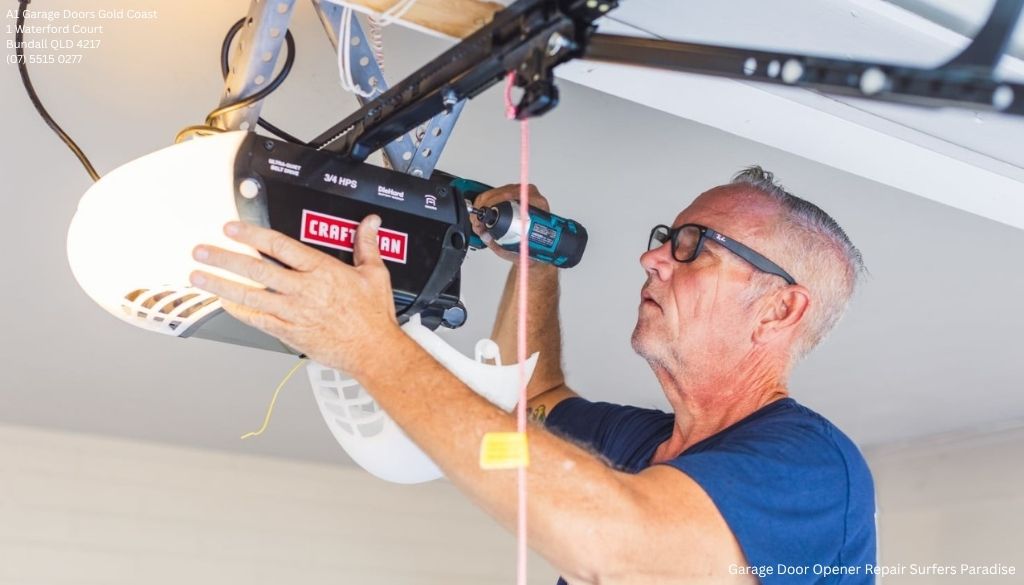
Garage Door Troubleshooting Guide for Opener Safety Tests
A garage door opener is easy to take for granted until it behaves differently. A delayed reverse, a door that keeps pushing against an obstruction, a sensor light that flickers, or a remote that works only part of the time can turn a routine trip out of the house into a safety concern. The most important garage door troubleshooting is not about convenience first. It is about confirming that the opener will stop and reverse when it should.
Automatic residential garage door openers in the United States are covered by a mandatory federal safety standard. They must include entrapment protection, such as a photoelectric electric eye sensor or an equivalent safety system. That requirement exists for a serious reason. Federal safety officials have documented fatal entrapment incidents involving automatic garage doors, and they have repeatedly warned that non-reversing garage door openers are hazardous.
For homeowners, property managers, and anyone responsible for garage door maintenance, that means opener safety tests should not be treated as optional. The safety reversal system should be tested monthly. If the door fails to reverse during testing, the opener should be adjusted according to the owner’s manual or inspected by a qualified professional.
The goal is simple: a properly functioning garage door opener should reverse when the door is closing onto an obstruction. If it does not, the door should not be used casually while everyone hopes it was a one-time glitch.
Why opener safety tests matter more than most people think
Most garage door complaints start with irritation. The door will not close. The garage door sensors seem fussy. The opener light blinks. Someone has to get out of the car and press the wall button again. That annoyance can lead people to bypass, ignore, or work around a safety feature that is trying to do its job.
That is where judgment matters. A garage door opener is not only a motor. It is part of a larger moving system that includes the door, garage door springs, garage door cables, garage door rollers, garage door tracks, the opener arm, controls, and safety devices. When any part of that system falls out of adjustment or stops working as intended, the opener may respond in a way that looks random from the outside.
The photoelectric sensors are a good example. They are often blamed when a door refuses to close, and sometimes the problem is as simple as a blocked or misaligned sensor path. But the correct response is not to defeat the sensor. Federal safety rules require a sensor or equivalent entrapment protection on residential automatic openers. If the system is stopping the door because it detects a possible hazard, the right approach is to find and correct the cause.
The same thinking applies to the reversing function. A door that closes with force and does not reverse on contact with an obstruction is not just poorly adjusted. It is unsafe. The opener should be taken out of normal service until the issue is corrected through the owner’s manual procedures or professional garage door repair.
The monthly safety test that should not be skipped
Monthly testing is the practical rhythm recommended by federal safety guidance. It is frequent enough to catch changes before they become habits and simple enough that most households can work it into ordinary garage door maintenance. The test is not meant to replace a full garage door inspection, and it does not make anyone a technician. It is a basic safety check that tells you whether the opener’s protective features are responding.
Before testing, make sure the area around the door is clear. Keep children and pets away from the opening. Children should be taught garage door safety, and remote controls should be kept out of their reach. That guidance is easy to overlook because remotes are small and familiar, but the door they operate is large, heavy, and mechanically powered.
A careful monthly opener safety check should include the following:
That list is short because the test should stay focused. The purpose is not to diagnose every component in the system. It is to answer a safety question: does the opener reverse when it must?
Understanding the photoelectric sensor side of the system
Photoelectric garage door sensors, often called electric eyes, are usually installed near the bottom of the door opening. Their job is to help prevent the door from closing when something is in the path. The federal standard allows this type of sensor or an equivalent safety system, so the exact arrangement can vary by opener design. What matters is that the opener has functioning entrapment protection.
When a sensor system is working correctly, it should respond before contact occurs. If the beam path is interrupted while the door is closing, the opener should not continue driving the door downward as if nothing happened. A homeowner may experience this as a door that starts down and then reverses, or a door that refuses to close until the path is clear and the sensors are properly aligned.
Sensor problems often show up after ordinary activity in the garage. A trash bin gets pushed near the track. A bicycle wheel blocks the sensor path. Storage boxes creep into the doorway. Someone bumps a sensor housing while sweeping or moving tools. These are ordinary household events, not rare mechanical failures.
The important distinction is between a nuisance and a warning. If the sensors are reacting because something is blocking their view, that is the system doing what it is supposed to do. If they are missing, damaged, disconnected, or unreliable, the opener may no longer meet the safety expectation it was designed around. That is not a problem to postpone.
Because openers differ, the owner’s manual matters. Some systems give visual signals, such as indicator lights or blinking opener lights. Some may have specific alignment guidance. The safest path is to use the manual for the model installed in the garage rather than guessing based on another opener you have seen.
When the door closes but does not reverse
A garage door that closes onto an obstruction and does not reverse deserves immediate attention. Federal safety guidance is clear that non-reversing garage door openers are hazardous. If a safety reversal test fails, the opener should be adjusted according to the owner’s manual or inspected by a professional.
This is one of those moments where experience in the trade changes the conversation. Many homeowners expect garage door troubleshooting to work like resetting a router: press a button, cycle the power, and hope the issue disappears. A garage door opener is different. It applies force to a large moving door. If the safety system is not responding correctly, repeated testing without correction can increase risk.
The cause may be related to opener adjustment, sensor performance, door movement, or another part of the garage door system. But the first decision is not “what part do I buy?” It is “should I keep using this opener?” If the door does not reverse as intended, the responsible answer is no, not until the issue has been corrected.
That does not always mean immediate garage door replacement. It may mean adjustment under the owner’s manual, repair by a trained technician, or in some cases opener replacement if the system is outdated, damaged, or cannot be made to operate safely. The key is not to normalize failure. A failed safety reversal test is a stop sign.
How door condition affects opener safety behavior
The opener does not work in isolation. It depends on a door that moves as designed. If the door binds, drags, tilts, or travels unevenly, the opener may struggle. That struggle can interfere with predictable operation and can mask safety issues.
Garage door balance is a central part of that picture. A balanced door is easier for the opener to move. The balance depends heavily on the spring system, including torsion springs on many residential doors. Garage door springs are under serious tension and should not be treated as casual do-it-yourself parts. If spring adjustment or replacement is needed, that belongs in the hands of someone who knows the hazards and procedures.
The same is true of garage door cables. Cables help control door movement as the door travels. Damaged, loose, or improperly positioned cables can create serious problems. A homeowner may notice the door looks crooked or sounds different, but the underlying issue can involve stored force and heavy components. That is not a place for improvisation.
Garage door rollers and garage door tracks also shape how the opener behaves. A roller that does not travel smoothly or a track area that has been knocked out of position can create resistance. Sometimes the opener gets blamed for a door problem because the motor is the noisy part. A good garage door inspection looks at the whole system, not just the machine hanging from the ceiling.
Garage door lubrication can help reduce friction where lubrication is appropriate for the door system, but lubrication is not a repair for failed safety reversal, missing entrapment protection, or damaged hardware. It is part of maintenance, not a substitute for correction.
Safe troubleshooting without turning the garage into a jobsite
There is a line between homeowner observation and repair work. Staying on the right side of that line matters because installation and repair can involve physical hazards: work at ceiling height, cramped spaces, awkward posture, hand tools, and electrical equipment. Even a task that looks simple from the floor can become risky once someone is on a ladder reaching overhead near a mounted opener.
A practical homeowner troubleshooting approach stays visual and procedural. You can clear the doorway, check whether stored items are blocking the sensors, review the owner’s manual, and perform the recommended monthly safety test. You can observe whether the door reverses when it should, whether the sensors appear to be in place, and whether the door movement looks uneven. Those observations are useful when speaking with a professional.
What you should not do is defeat safety devices, keep cycling a door that failed a reversal test, or attempt repairs that involve spring tension, cables, or structural adjustment unless you are trained for that work. Garage door installation and repair are often performed in tight spaces near ceilings and tracks, and the hazards are not always obvious to someone doing the job once every ten years.
A service technician approaching the same problem will usually separate the questions. Is the opener responding to the safety inputs? Is the entrapment protection present and functioning? Does the door move properly? Are the spring and cable systems intact? Are the tracks and rollers allowing stable travel? That staged thinking prevents one symptom from being mistaken for the whole diagnosis.
The owner’s manual is not a formality
Many garage door opener problems become more confusing because the manual is missing, ignored, or assumed to be generic. It is not generic. Safety test procedures, adjustment methods, control signals, and troubleshooting indicators can vary by manufacturer and model. Federal guidance says that if the door fails to reverse, it should be adjusted per the owner’s manual or inspected by a professional. That wording is important because it recognizes that the correct adjustment is model-specific.
If the manual is available, keep it where it can be found during garage door maintenance. If it is not available, use the exact opener model to locate the correct instructions through the manufacturer or ask a professional during service. Guessing based on a video for a different opener can lead to wrong assumptions, especially when the issue involves safety reversal.
The manual also helps distinguish user-level checks from technician-level repair. Most homeowners can perform a safety test. Many should not adjust force settings, alter travel limits, modify wiring, move structural hardware, or attempt spring work without proper training. The manual will not make every task safe for every person, but it provides the first boundary.
Children, remotes, and household habits
Garage door safety is not only mechanical. It is behavioral. Children should be taught that a garage door is not a toy, not a race gate, and not something to stand beneath while it is moving. Remote controls should be kept out of their reach. Wall controls should be treated with the same seriousness as any control that operates heavy powered equipment.
The reason this matters is that garage doors blend into family routines. Kids run through the garage to grab a bike. Someone presses the remote while backing out. A parent starts the door while carrying groceries. A child sees adults press a button and may not understand the risk. Safety features reduce danger, but they do not replace supervision or good habits.
A monthly safety test can double as a household reminder. When the test is done calmly and deliberately, it reinforces that the door is a machine with rules. The lesson does not need to be dramatic. It only needs to be consistent: stay clear of the moving door, do not play with controls, and tell an adult if the door behaves strangely.
When repeated sensor trouble points to a larger issue
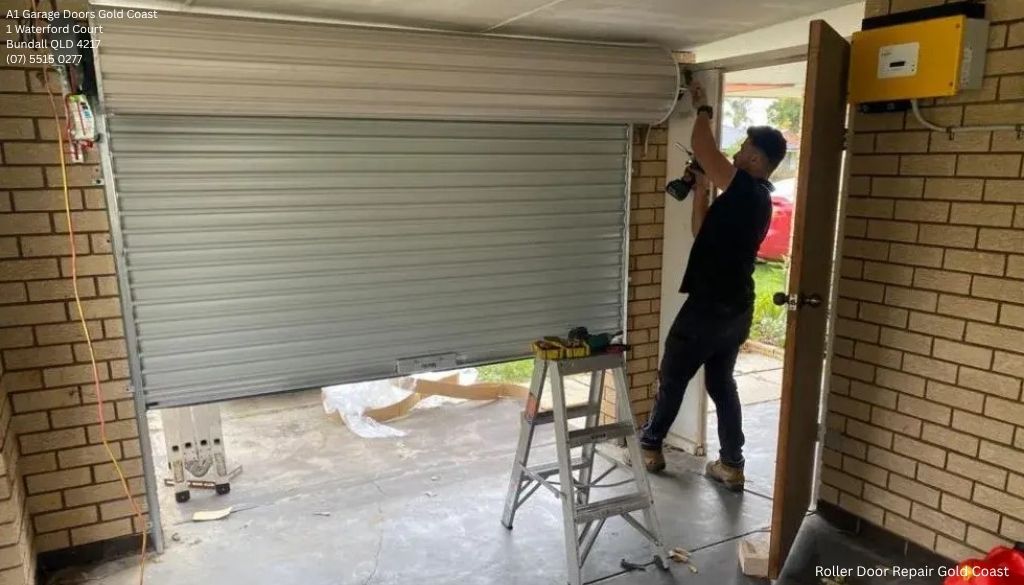
A door that refuses to close because the sensors are blocked by a trash can is easy to understand. A door that has repeated sensor-related failures with no clear obstruction deserves more attention. The system may be out of alignment, the wiring may be unreliable, the opener may have a control issue, or the door environment may be causing recurring interference with the sensor path.
The responsible move is not to bypass the sensors so the door closes more easily. The sensors or equivalent safety system are part of the required entrapment protection. Removing them from the safety equation changes the risk profile of the entire opener.
If the garage is used as storage, sensor problems can also reveal a layout issue. Many garages have narrow margins around the doorway. Lawn tools, bins, strollers, and sports equipment drift toward the tracks and sensor area. A safer setup keeps the door opening clear enough that nothing routinely interrupts the photoelectric beam or leans into the path of the moving door.
This is less about neatness than reliability. A clean sensor path helps the safety system do its job without creating unnecessary closing failures. It also makes real problems easier to spot because there is less clutter confusing the diagnosis.
The difference between maintenance and repair
Garage door maintenance is preventive. It includes periodic inspection, keeping the area clear, checking safety features, paying attention to changes in sound or movement, and using the owner’s manual for appropriate care. Garage door repair begins when something is not working as intended and needs correction.
That distinction matters with opener safety tests. Passing the monthly test is maintenance information. Failing the test is a repair trigger. If the door does not reverse when closing onto an obstruction, the answer is not more routine maintenance. It is adjustment according to the manual or professional inspection.
Garage door lubrication sits on the maintenance side when used properly. Watching the rollers and tracks for obvious issues is maintenance observation. Noticing that the door is out of balance is inspection information. But working on torsion springs, replacing garage door cables, correcting major track problems, or resolving a non-reversing opener crosses into repair territory.
Garage door replacement is the larger decision when the existing door or opener cannot be made safe, reliable, or suitable for the property. Replacement may involve the door, opener, safety devices, or a combination of components. It should be considered carefully because installation quality affects long-term safety and performance.
A field-tested way to describe the problem when calling for service
A clear service call saves time. Instead of saying “the opener is broken,” describe what happened during the safety test and what you observed before and after. Good information helps the technician decide what to inspect first and whether the issue may involve the opener, sensors, door balance, cables, rollers, tracks, or another part of the system.
Use plain language. Say whether the door failed to reverse, whether the sensors appear to be present, whether anything was blocking the opening, and whether the problem happens every time or only sometimes. Mention any recent changes, such as storage moved near the doorway, a bump to the track area, a new noise, or a door that looks uneven while moving.
Here is a concise way to gather the details before you call:
That information does not replace a professional garage door inspection, but it gives the visit a better starting point. It also helps avoid the common mistake of treating every closing problem as a sensor problem when the door system itself may deserve attention.
Opener safety during garage door installation
Garage door installation should be planned around safety from the start. The opener must work with the required entrapment protection, and the door must move in a way that allows the opener to operate predictably. Installation and repair work can involve overhead tasks, cramped spaces, awkward postures, hand tools, and electrical hazards. Rushing the work or treating the opener as an accessory bolted on at the end can create problems that show up later during safety tests.
A staged installation approach is safer and more professional. The door hardware, tracks, rollers, cables, springs, opener, controls, and safety devices all have to function as a system. If the door is not balanced or does not move correctly, the opener may be blamed for symptoms caused elsewhere. If the sensors are placed carelessly or the entrapment protection is not verified, the door may pass a casual open-and-close demonstration but fail the test that matters.
After installation, the safety reversal system should be tested. The owner should also be shown how to perform the monthly safety test and where to find the manual. That handoff is part of responsible garage door service. A homeowner who understands the test is more likely to catch a problem early and less likely to bypass a safety feature out of frustration.
Older openers deserve special attention
Any opener that does not reverse properly is a hazard, regardless of age. Older equipment deserves particular scrutiny because it may have been installed before current household routines, storage patterns, or safety expectations. If an older opener lacks visible photoelectric sensors or an equivalent safety system, that should be addressed by a professional. Residential automatic openers are expected to have entrapment protection under the federal standard.
Aging also affects trust. A device may run for years and still fail a safety test. The fact that a door has “always worked” does not prove that it is safe today. Monthly testing exists because conditions change. Sensors move. Components wear. Doors get bumped. Hardware loosens. Household use changes.
There is no virtue in stretching an unsafe opener for another season. If adjustment per the owner’s manual does not correct the issue, or if the system cannot be verified as safe, professional evaluation is the next step. Sometimes garage door repair is enough. Sometimes garage door opener replacement is the more responsible choice.
What a passing test does and does not prove
A passing safety reversal test is good news, but it is not a lifetime certificate. It means the opener responded correctly during that test. It does not prove that every component is new, that the door is perfectly balanced, or that no maintenance is needed. It also does not eliminate the need to keep children away from same-day garage door installation Gold Coast controls and the moving door.
Think of the monthly test like checking a smoke alarm. Passing matters, and failing matters even more, but the check belongs to an ongoing safety habit. If the door passes this month and starts acting strangely two weeks later, the strange behavior deserves attention. Do not wait for the next calendar reminder if the opener begins to hesitate, reverse unexpectedly, or fail to respond to obvious obstructions.
A professional garage door inspection can go beyond the opener test. It can evaluate door balance, garage door springs, cables, tracks, rollers, opener mounting, sensor condition, and general operation. For homes with frequent garage use, heavy storage around the door, children in the household, or an opener with a history of trouble, periodic professional attention is a practical safeguard.
Practical judgment for everyday ownership
The safest garage door is not the one with the most complicated equipment. It is the one that is installed correctly, maintained consistently, tested monthly, and repaired promptly when it fails. The opener should reverse when closing onto an obstruction. The photoelectric sensors or equivalent entrapment protection should be present and working. Children should understand that the door and remote controls are not toys.
When something feels off, resist the temptation to reduce the problem to convenience. A door that will not close may be protecting the opening from an obstruction. A door that does close but does not reverse may be creating a hazard. Both conditions deserve calm, careful troubleshooting.
Use the owner’s manual for opener-specific testing and adjustment. Keep the doorway clear. Watch how the door moves. Treat failed reversal as a serious warning. Bring in a professional when the problem involves adjustment beyond the manual, uncertain sensor performance, garage door springs, torsion springs, cables, tracks, or any repair work that places someone at height or near moving hardware.
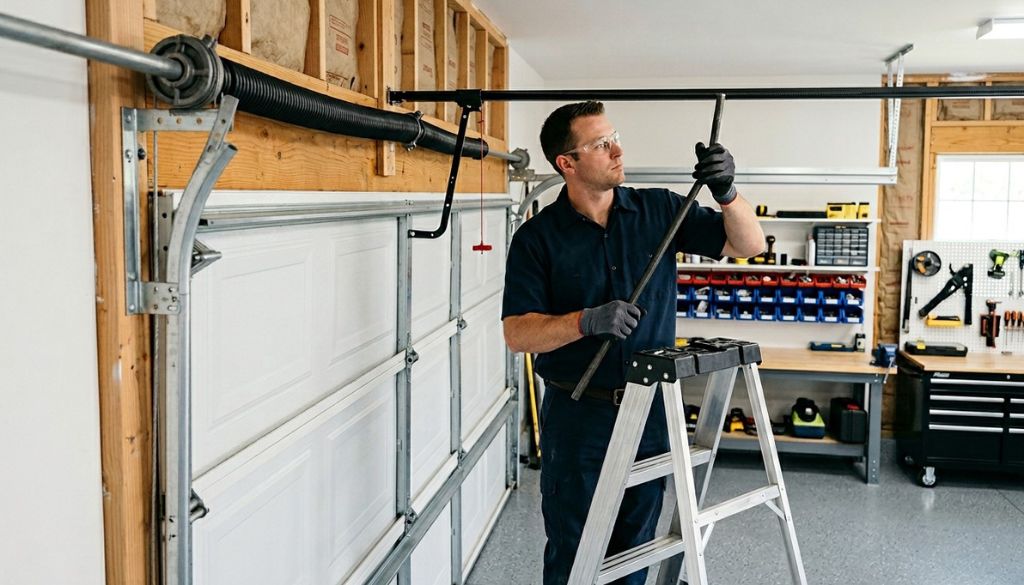
Good garage door safety is built from small habits repeated over time. The monthly opener safety test is one of the simplest and most important of those habits. It takes far less effort than a repair emergency, and it protects the one thing every garage door system must protect first: the people who pass beneath it.