The Hidden Cost of Garage Door DIY Repairs Gone Wrong
The appeal of fixing a garage door yourself is understandable: you save the call-out, you sort it on your own schedule, and there is satisfaction in a job done by hand. For some tasks, that instinct is perfectly sound. But garage doors hide some genuinely dangerous components, and a DIY repair gone wrong can cost far more than the money it set out to save, in injury, in secondary damage, and in a bigger repair bill than the original fault would ever have warranted. Knowing which jobs are safe to attempt and which are best left alone is the difference between sensible self-reliance and an expensive, risky mistake. Below you'll find where DIY repairs go wrong, the real costs they can bring, and how to tell a homeowner job from a professional one.The Tension That Makes Some Jobs Dangerous
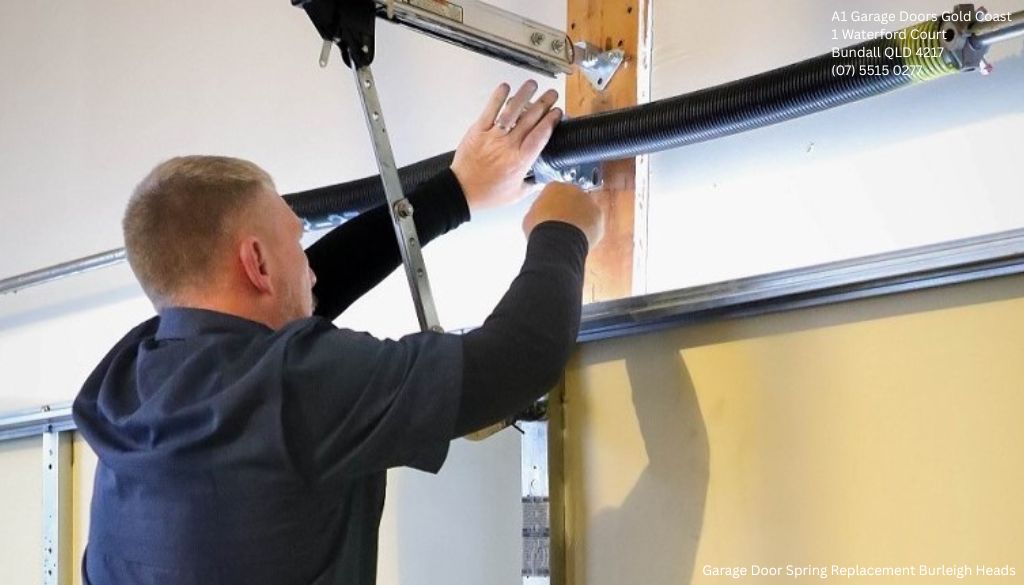
The single biggest hazard on a garage door is stored energy. The springs, particularly torsion springs, are wound to hold the door's considerable weight, and the cables work under that same tension. A wound spring contains enough energy to cause serious injury if it releases unexpectedly, and the winding tools must be used correctly to control it. Cables under tension can whip if mishandled. This is not exaggeration; spring and cable work is the reason garage door repair carries real injury risk, and it is precisely the work most often attempted by DIYers who underestimate it.
How DIY Repairs Go Wrong
Spring and cable injuries
Attempting to adjust or replace springs without the correct winding bars and technique can let the spring release suddenly, causing serious hand, face or head injuries. Slipping a makeshift tool off a wound spring is a classic and dangerous mistake.
Defeating safety systems
In trying to get a door working, DIYers sometimes wind up the opener force or bypass the sensors, defeating the auto-reverse that prevents the door closing on someone. The fault gets masked while a genuine safety hazard is created.
Secondary damage
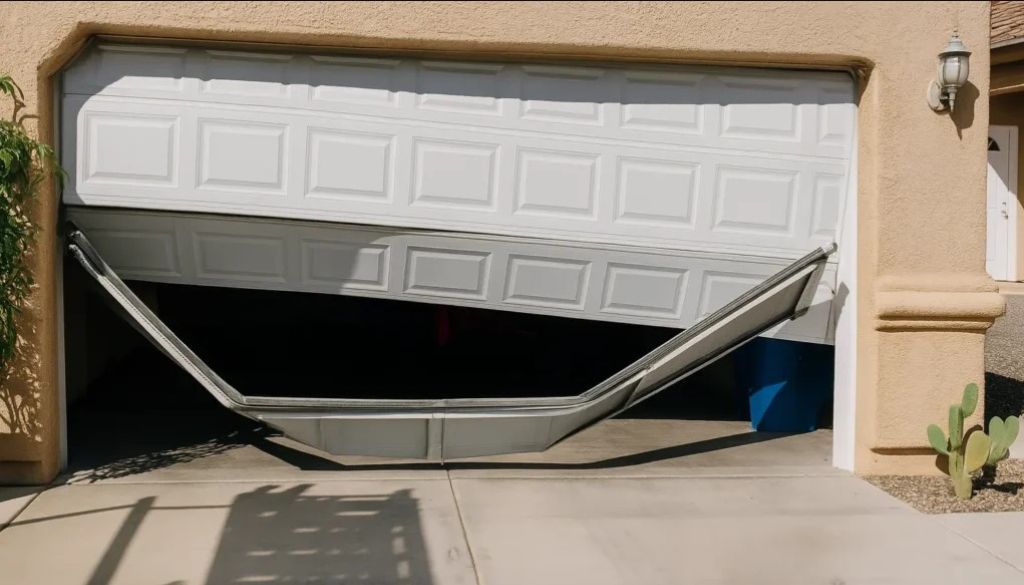
Operating a door that is off-track, jammed or has a failed spring can bend tracks, damage panels and burn out the opener, turning one repair into several.
Incorrect parts or setup
Fitting undersized springs, mismatched components or poorly aligned tracks leaves the door unbalanced and wearing out, so the problem returns and brings others with it.
The Real Costs
- Injury: The most serious cost, and entirely possible with spring and cable work. No saving justifies it.
- A bigger repair bill: Secondary damage to tracks, panels and the opener can far exceed the original fault's cost.
- Compromised safety: A defeated auto-reverse or bypassed sensor leaves the household exposed to a door that can close on a person, pet or vehicle.
- A door that fails again: Incorrect parts or setup mean the fix does not last, so the money and effort are wasted.
- Lost time: A botched repair often ends with a professional call-out anyway, after the damage is done.
The False Economy
The core trap is treating the call-out saved as the whole story. If a DIY attempt causes secondary damage, requires a professional to put right, or has to be redone, the true cost is the original repair plus the damage plus the professional visit, far more than simply having it done correctly the first time. The saving is illusory when the risk of it costing more is high, which is exactly the case with the tensioned, safety-critical parts of a garage door.
What Is Reasonable to DIY
This is not an argument against all homeowner involvement. Plenty of garage door care is well within a homeowner's scope and genuinely useful: lubricating the rollers, hinges and springs; cleaning the tracks; checking and replacing seals; tightening accessible hardware; testing the balance and the safety reversal; and observing the door for changes. These tasks are low-risk and keep the door in good shape. The line falls at the tensioned and safety-critical components.
Where to Draw the Line
- Leave to professionals: Spring adjustment and replacement, cable replacement, anything involving the tensioned system, correcting a door that is off-track, and precise track alignment.
- Reasonable to DIY: Lubrication, cleaning, seal replacement, accessible hardware tightening, and the balance and safety tests.
- Never do: Defeat the auto-reverse or bypass the sensors to force a door to operate.
How Technicians Add Value
A technician brings the correct tools, the experience to same day garage door services Gold Coast handle tensioned components safely, and the knowledge to fit the right parts and set the door up properly. They also catch related issues a DIYer would miss and confirm the safety systems work. The result is a repair that is safe, correct and lasting, which is what makes professional work on the dangerous components worth it.
When to Call a Professional
For anything involving the springs, cables or the tensioned system, a door that is off-track, or a safety reversal that is not working, call a technician rather than attempting it yourself. Keep your DIY to the low-risk maintenance, and leave the hazardous, safety-critical work to those equipped for it.
Frequently Asked Questions
Why is garage door spring work so dangerous?
Springs are wound to hold the door's full weight and store significant energy. If one releases unexpectedly during an attempt, it can cause serious injury.
What garage door jobs can I safely do myself?
Lubrication, cleaning tracks, replacing seals, tightening accessible hardware, and testing the balance and safety reversal are all reasonable homeowner tasks.
Isn't DIY always cheaper?
Not if it causes secondary damage, has to be redone, or results in injury. The call-out saved can be dwarfed by the cost of a repair gone wrong.
What should I never attempt?
Spring and cable work, anything tensioned, correcting an off-track door, and never defeat the auto-reverse or bypass the sensors to force operation.
About A1 Garage Doors Gold Coast
A1 Garage Doors Gold Coast services homes and businesses across the Gold Coast and surrounding suburbs for repairs, replacements and installations. Contact details are below.
A1 Garage Doors Gold Coast
1 Waterford Court, Bundall, QLD 4217 Phone: (07) 5515 0277 Website: https://goldcoastgaragedoorrepair.com.au